what is colour analysis?
Personal colour analysis is a concept that has been used for many years to help people understand which colours are most harmonious with their natural features. The idea is simple: some colours naturally complement your skin, eyes and hair, while others can compete with them or make your complexion appear less balanced.
Over time, many different colour analysis systems have been developed, each with its own approach to identifying a person's most flattering colours.
the system I use
I use the 16–23 Seasons System developed by the International Image Institute, a detailed colour analysis method that looks at your natural skin, eyes and hair to identify the colours that harmonise best with you.
Rather than simply asking whether you are a “warm” or “cool” person, the system looks at three important colour characteristics:
Undertone: Is your colouring cool, warm or neutral?
Value: How light or deep is your overall colouring?
Intensity: How bright or soft is your colouring?
from 4 seasons to 16 — and beyond
You may have heard of the traditional four seasons:
Spring · Summer · Autumn · Winter
These four seasons form the foundation of the system. They can then be divided into more specific colour palettes based on your undertone, value and intensity.
I primarily use the 16-season system, as I find that most people can be accurately placed within one of these palettes.
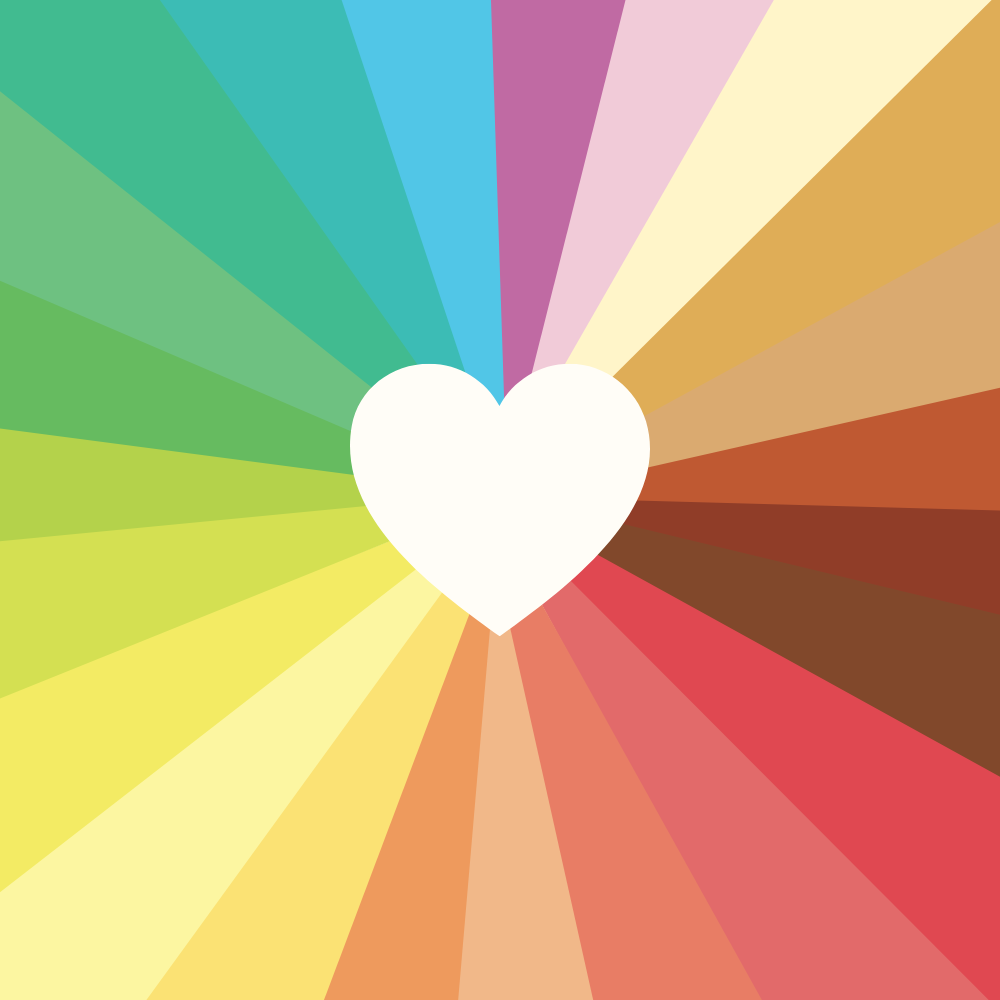
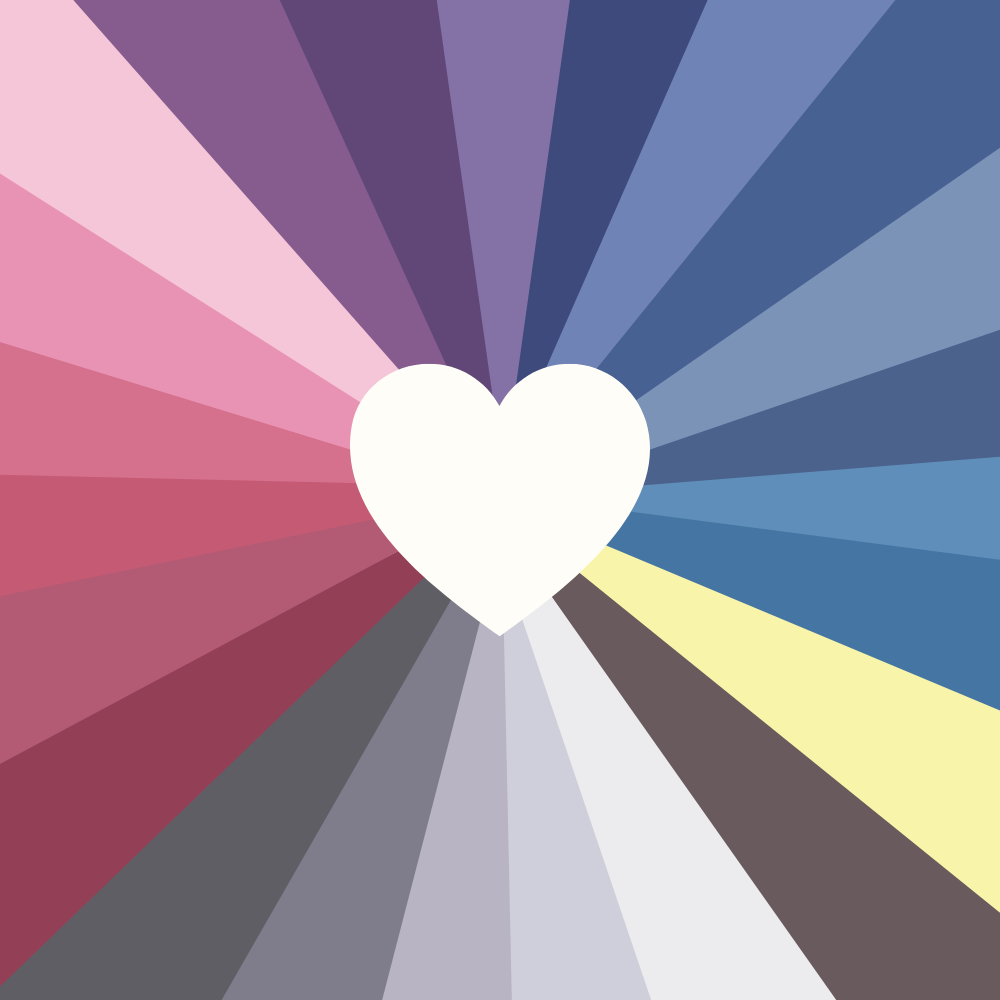
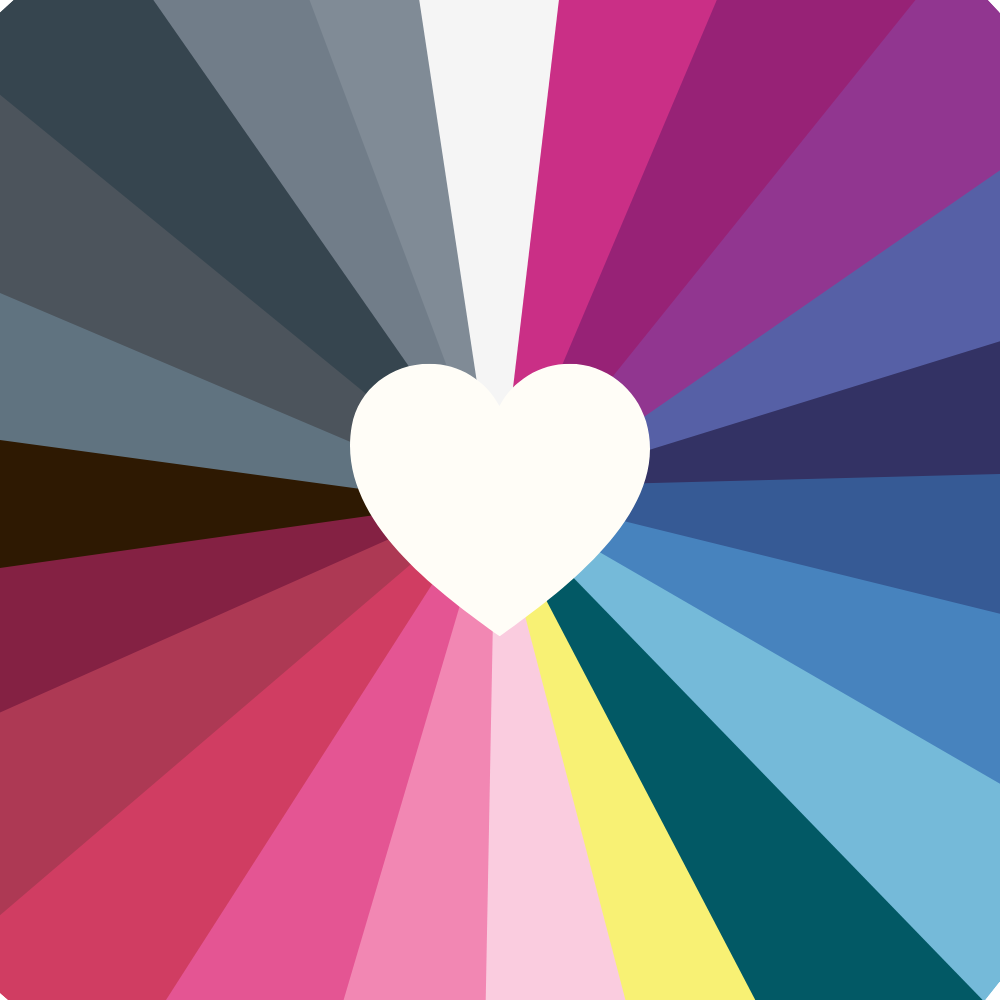
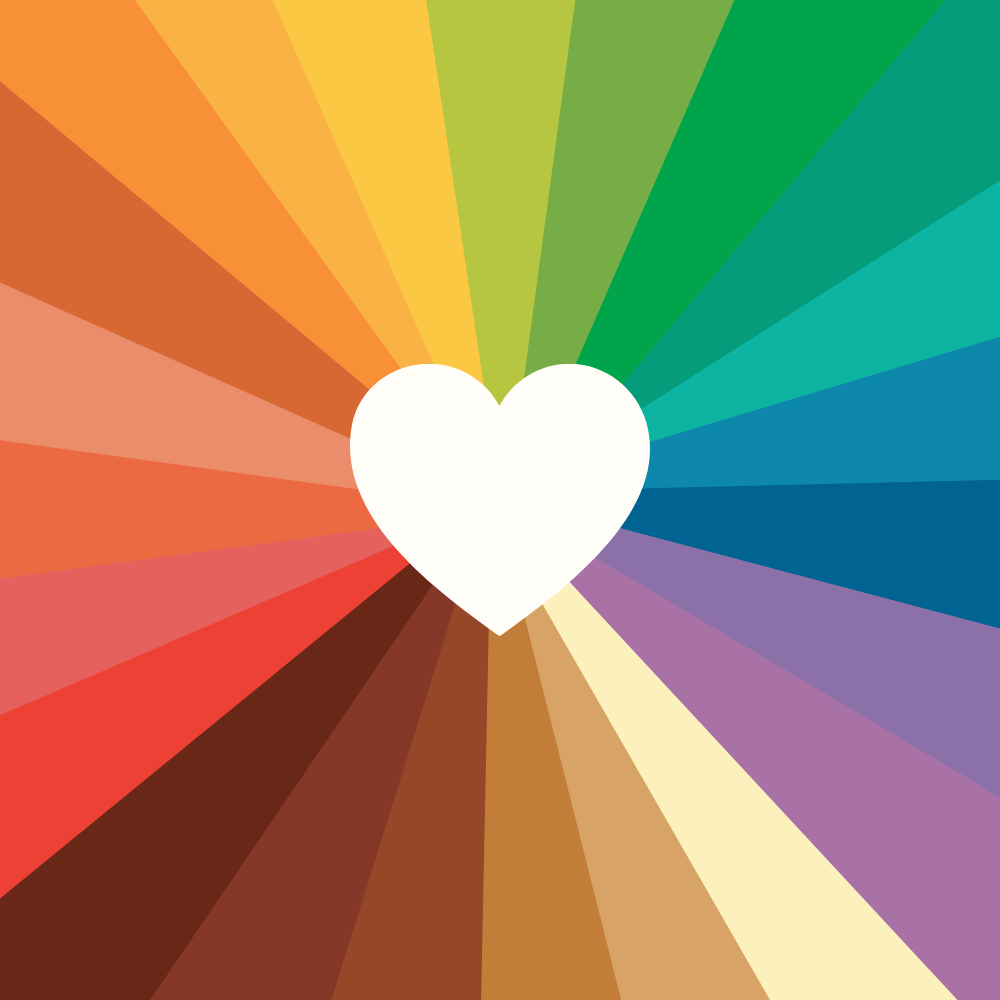
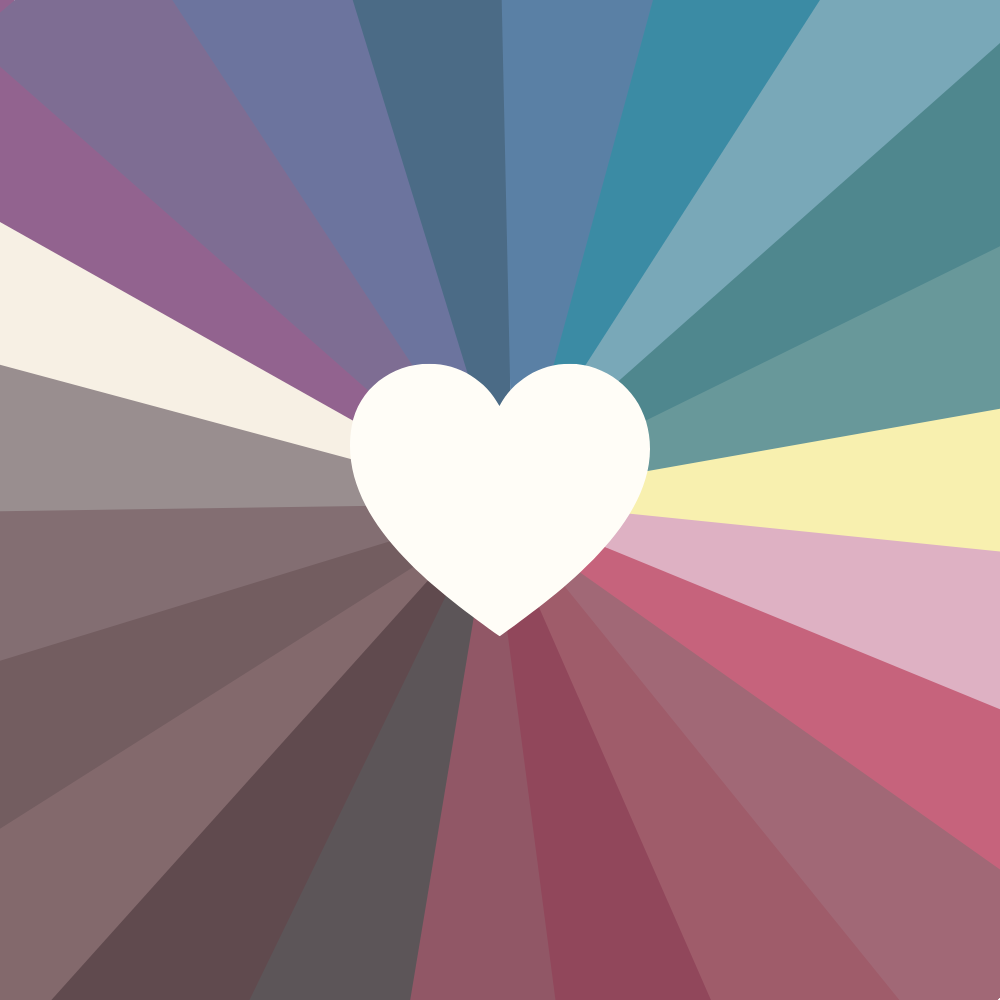
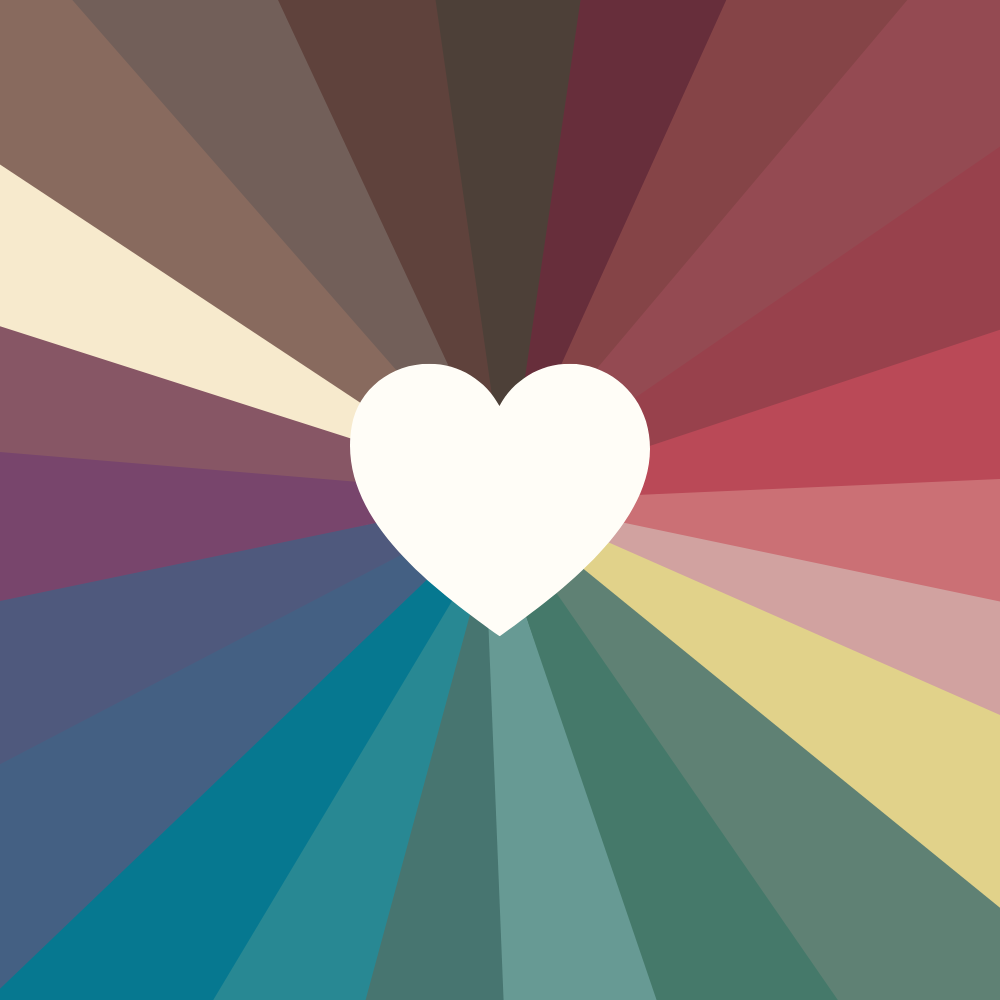
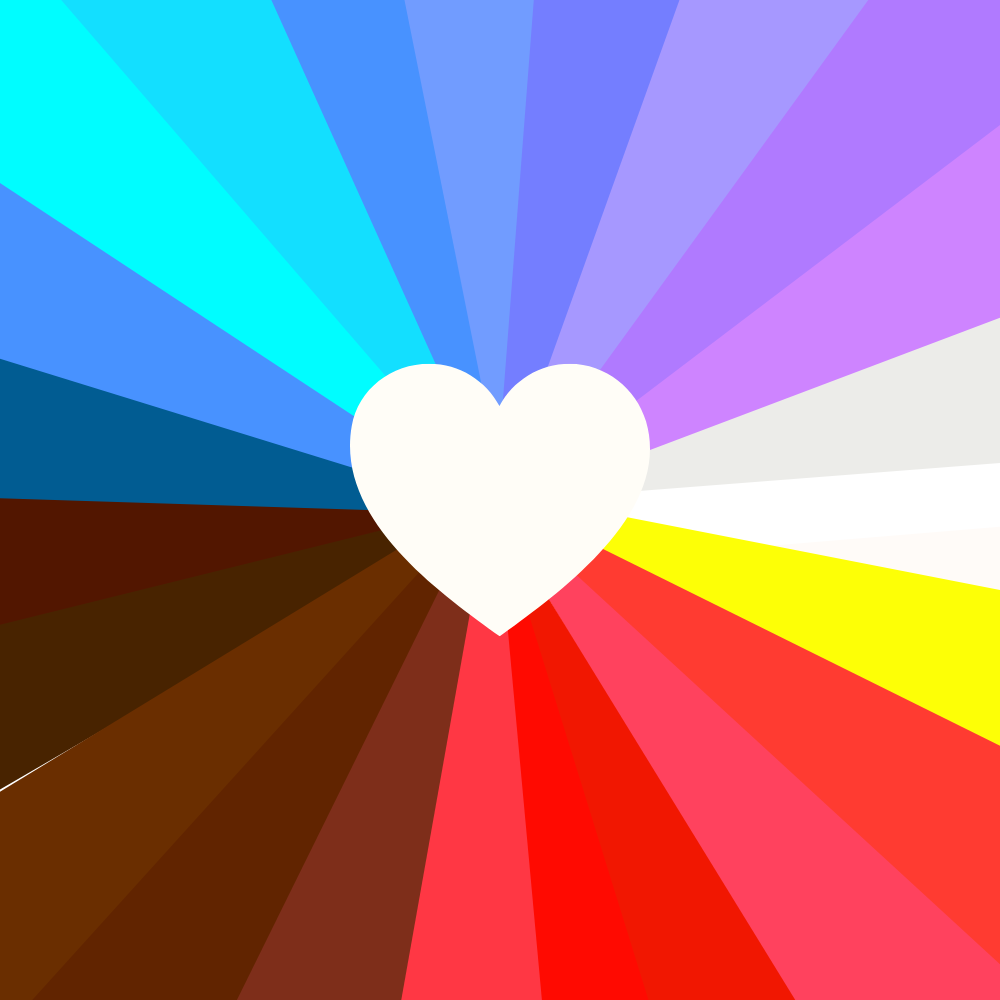
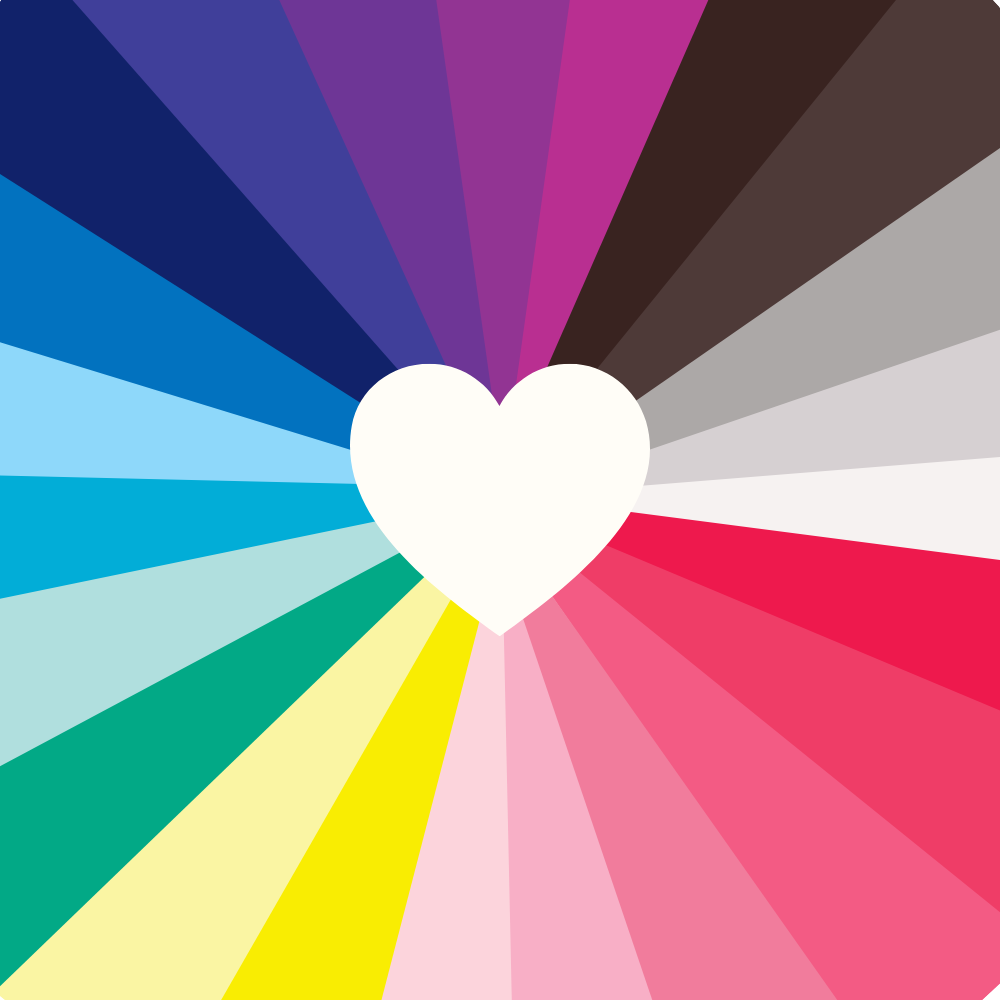
scroll through the 16 colour seasons.
-
![A multicolored, rainbow-style background with a white heart in the center.]()
True Summer
-
![Abstract multicolored rays radiate from a white heart in the center.]()
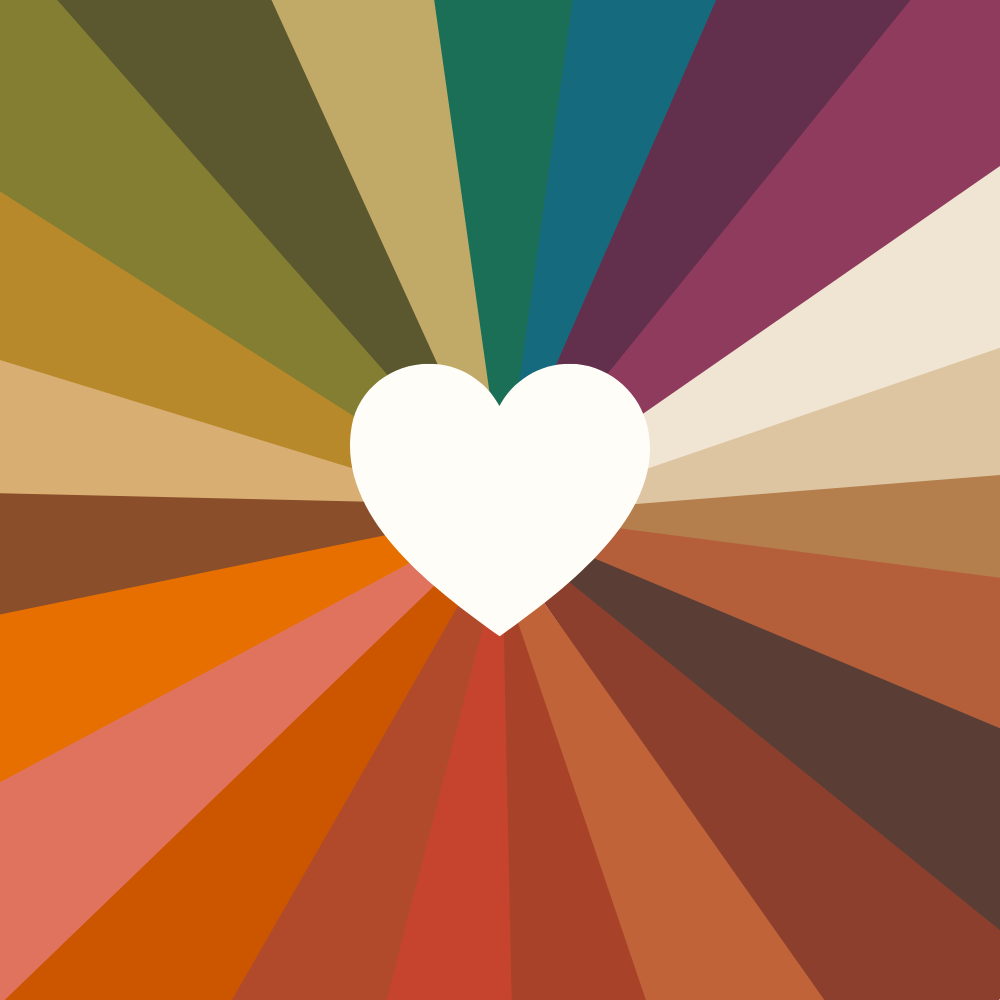
True Autumn
-
![A white heart in the center with radiating triangular color segments in rainbow and grayscale colors.]()
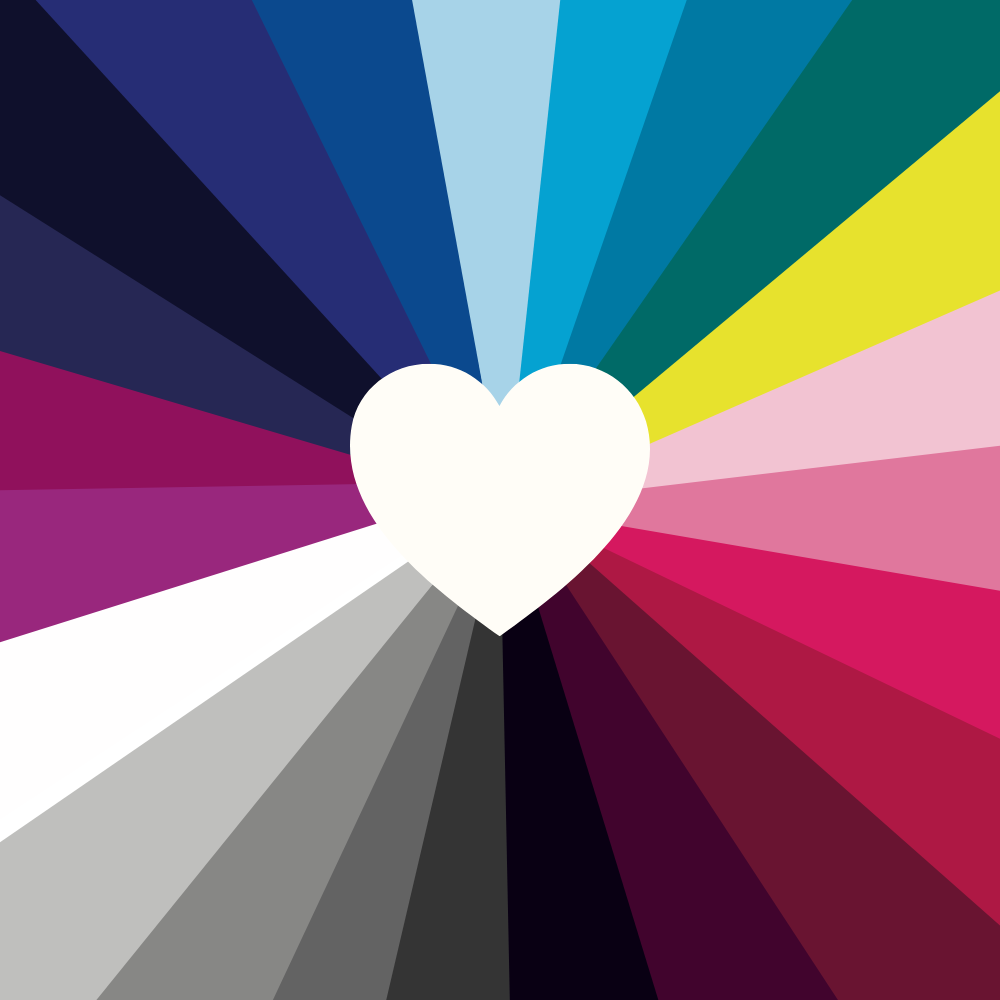
True Winter
-
![A white heart shape at the center of a colorful rainbow background with rays of different colors.]()
True Spring
-
![Colorful heart graphic with rainbow rays radiating outward from the center.]()
Cool Summer
-
![A multicolored rainbow background with a white heart in the center.]()
Cool Winter
-
![A multicolored rainbow with a white heart at the center.]()
Warm Spring
-
![A multicolored rainbow background with a white heart in the center.]()
Warm Autumn
-
![Colorful radiating stripes with a white heart shape in the center.]()
Light Summer
-
![A white heart in the center of a rainbow pattern with multiple pastel-colored rays radiating outward.]()
Light Spring
-
![A multicolored background with a white heart in the center]()
Deep Autumn
-
![A white heart in the center with a multicolored background of rainbow-colored rays.]()
Deep Winter
-
![Colorful rainbow spectrum with a white heart in the center.]()
Muted Summer
-
![A white heart at the center with a background of multi-colored rainbow rays.]()
Muted Autumn
-
![A colorful rainbow background with a white heart in the center.]()
Bright Spring
-
![Colorful radial pattern with a white heart in the center]()
Bright Winter

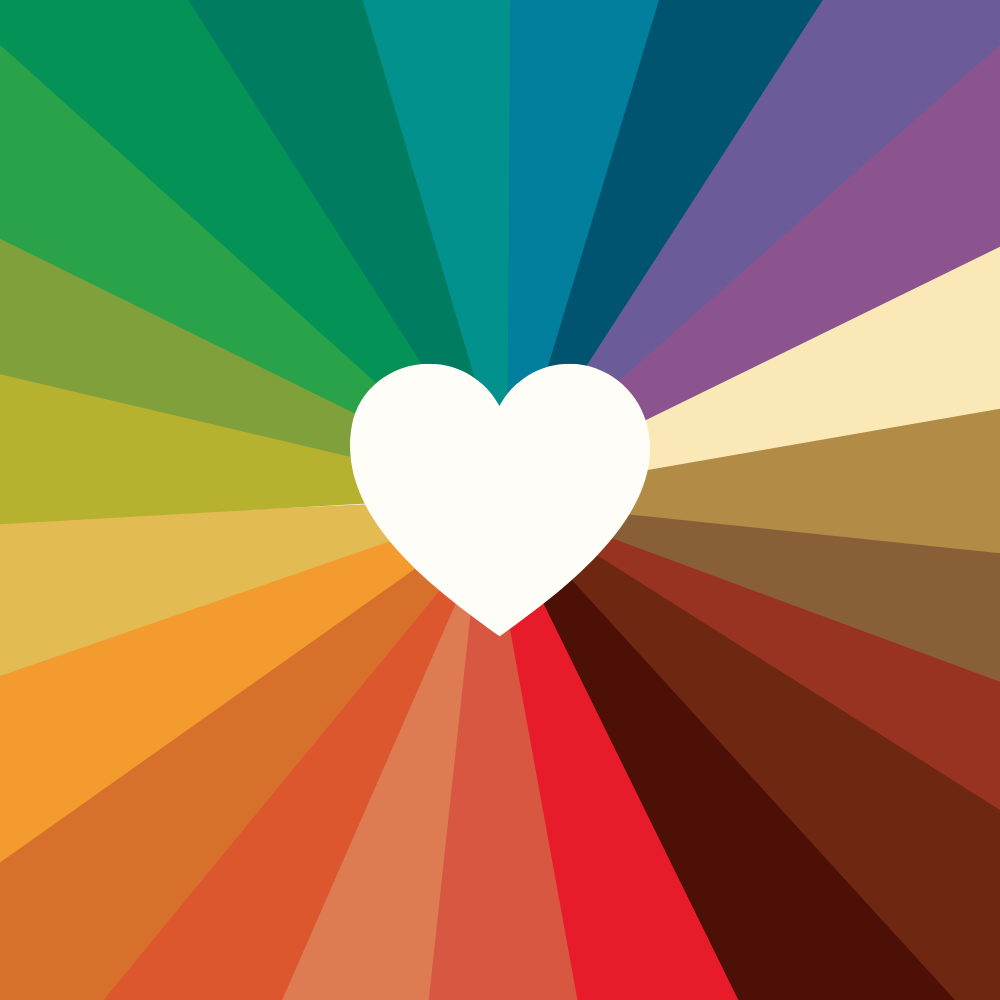
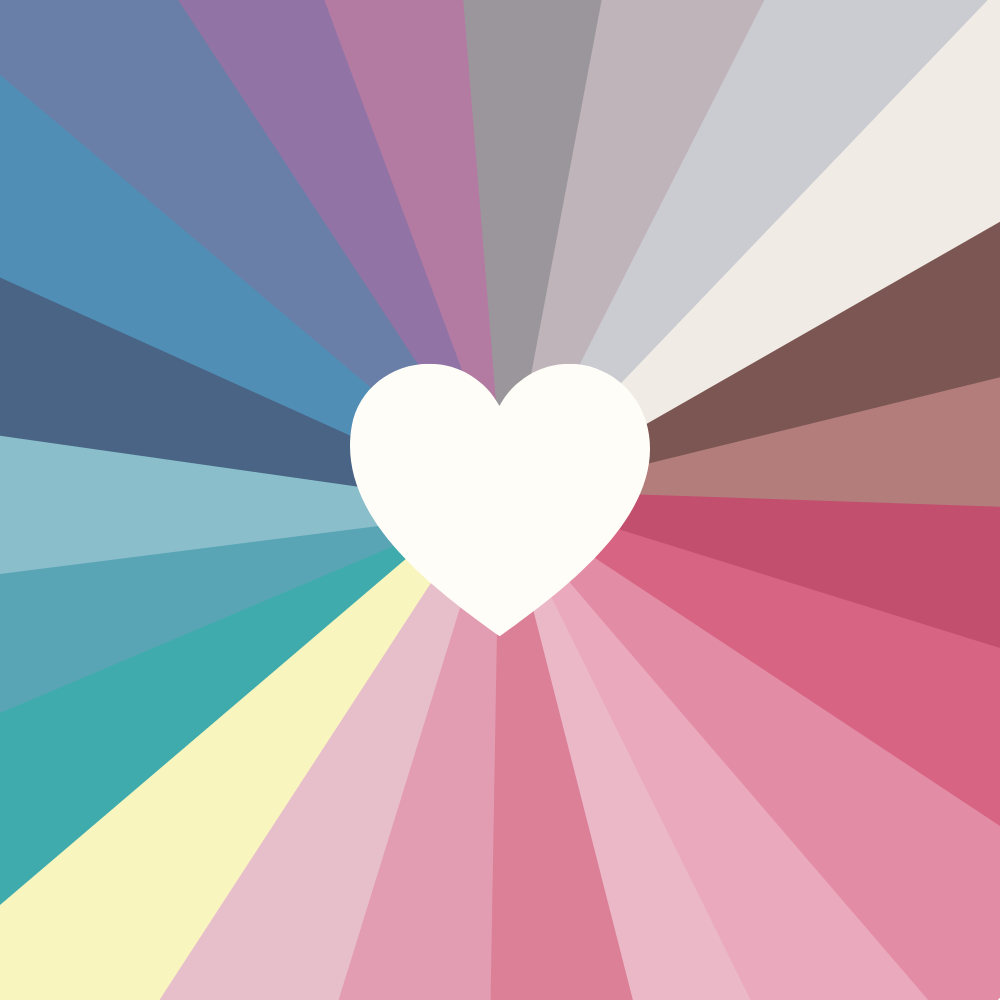

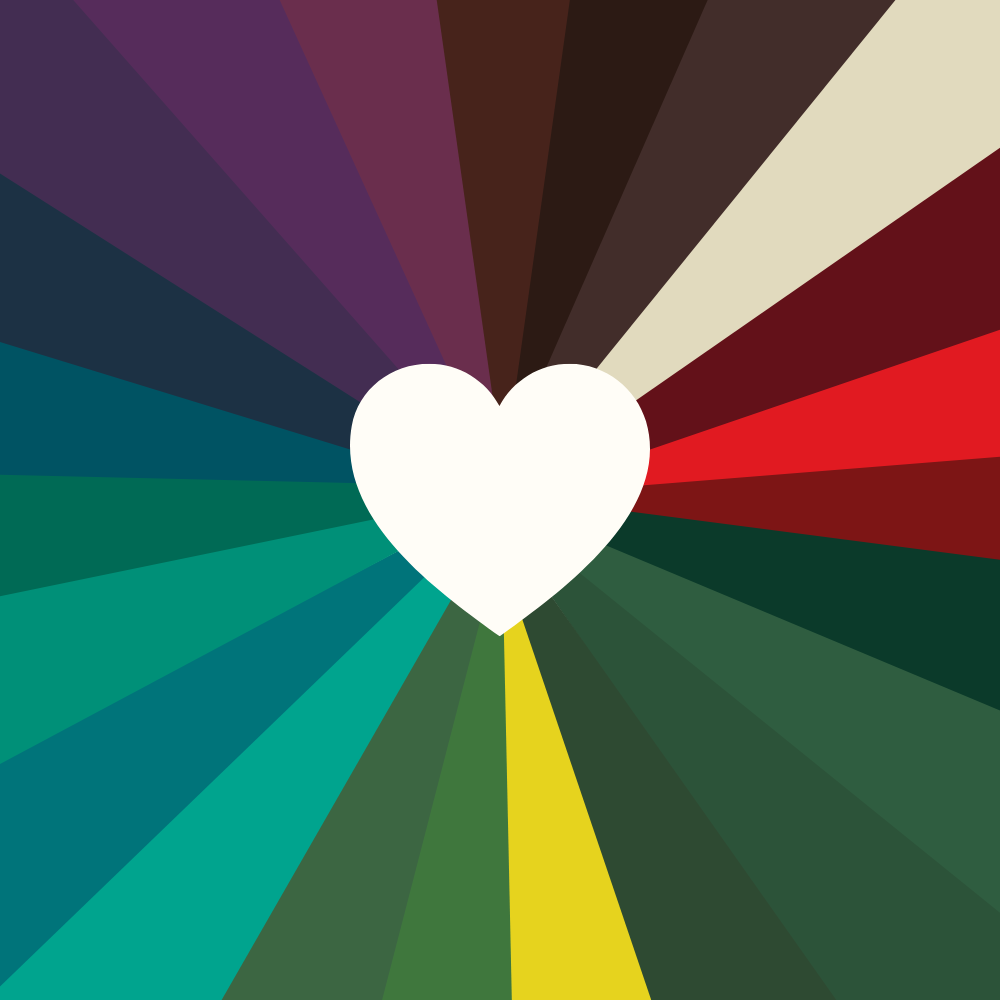
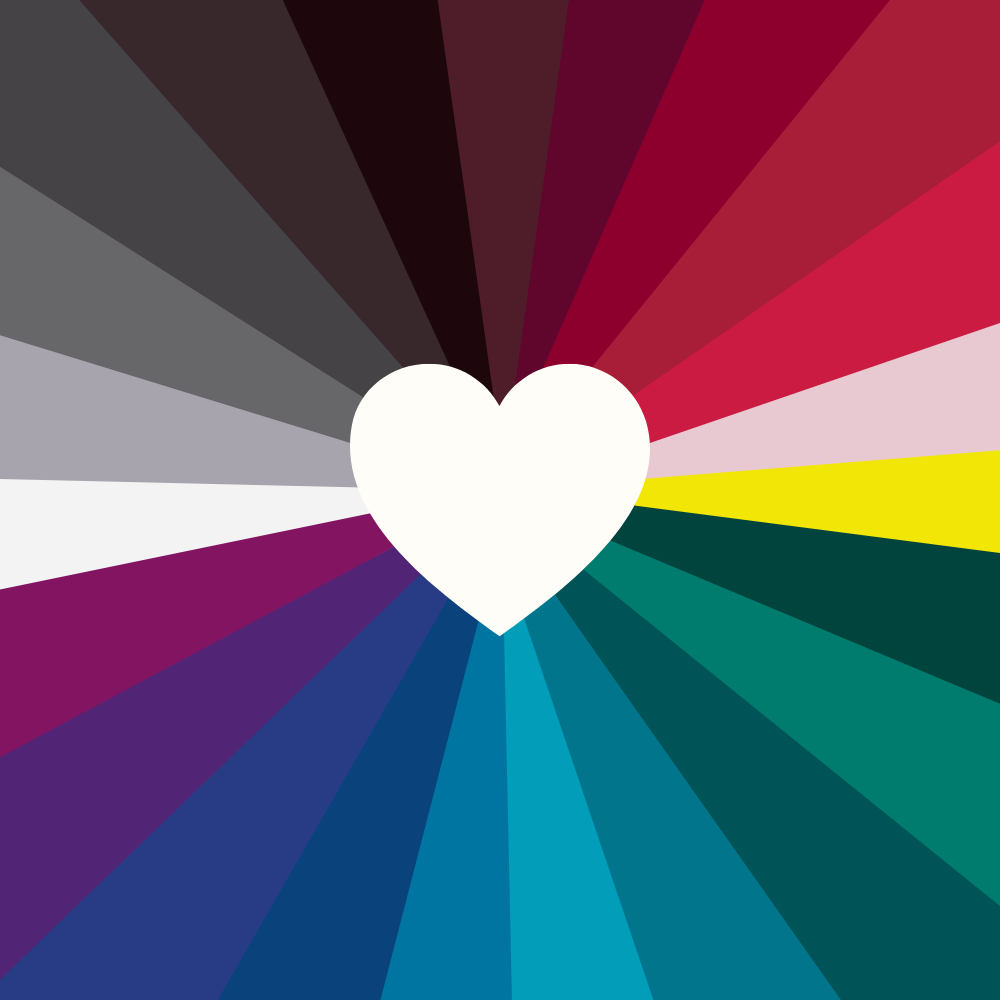
I am also trained in the 23-season system, which allows for even more specific results when needed.
The 23-season system includes seven additional categories:
True Warm · True Cool · True Muted · True Bright · True Deep · True Light · Universal
but how do we actually find your colours?
This is where the colour draping comes in.
Rather than simply looking at your skin, eyes and hair and making a decision, I compare different colours directly against your face. This allows us to see how your colouring responds to different undertones, values and intensities.
Throughout the analysis, we're essentially asking questions like:
Where does your eye go first?
Where do your eyes and hair come alive?
Where do you see the healthiest glow?
Does the colour harmonise with you, or compete with you?
These comparisons allow us to gradually narrow down the characteristics that work best for you and determine your personal colour season.
You can find more details about this process here.

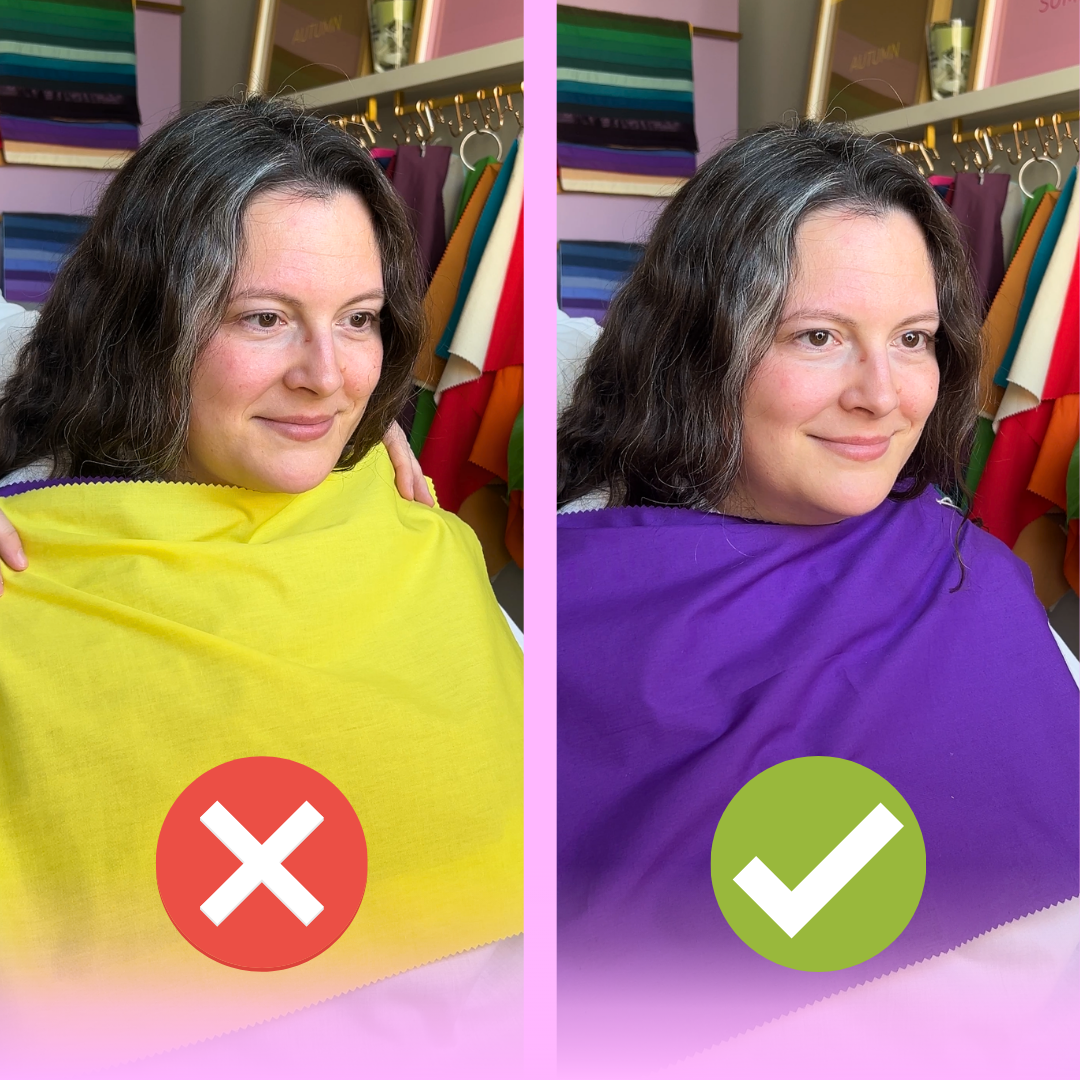
why do the right colours make such a difference?
When a colour harmonises with your natural features, it can create a sense of balance between your skin, eyes and hair.
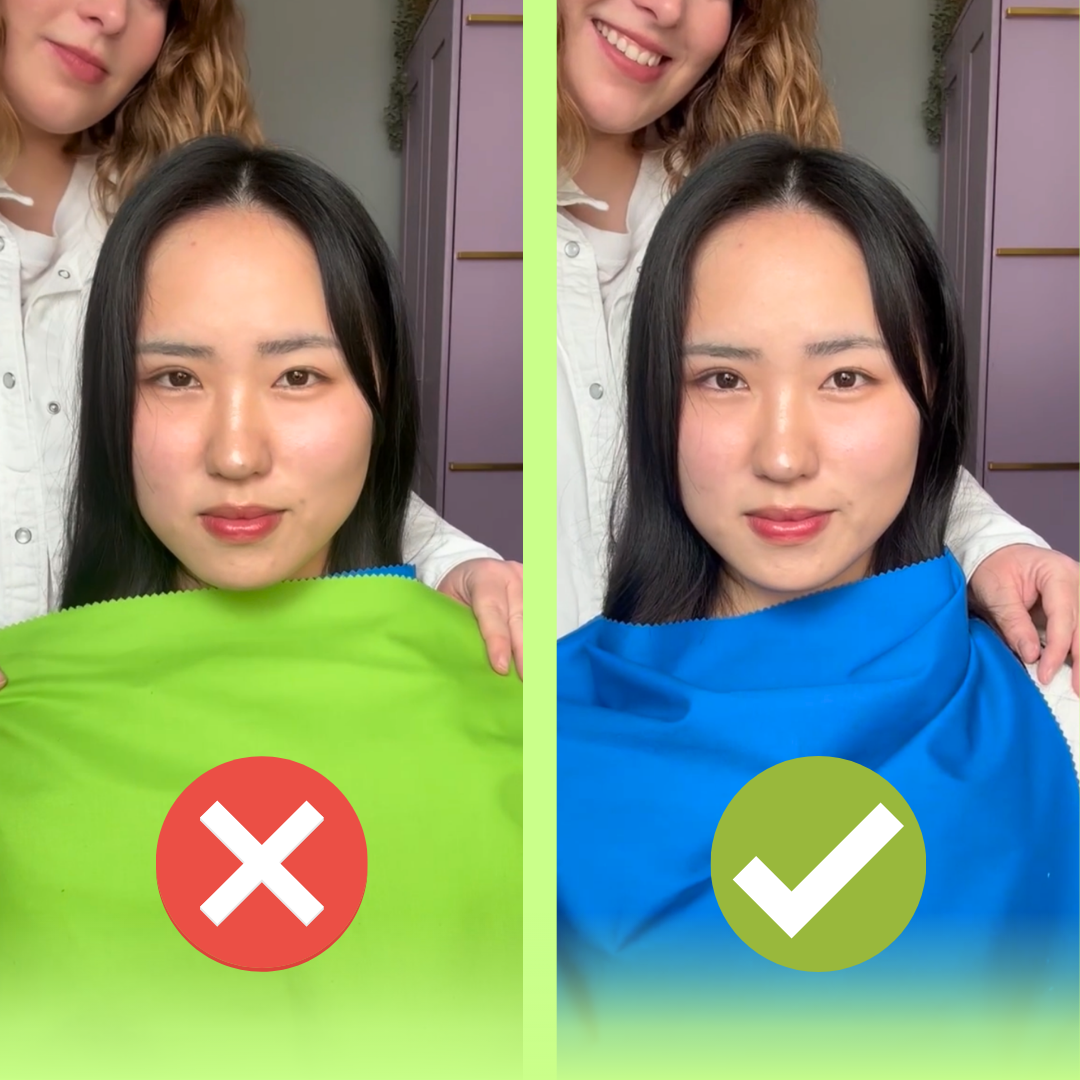
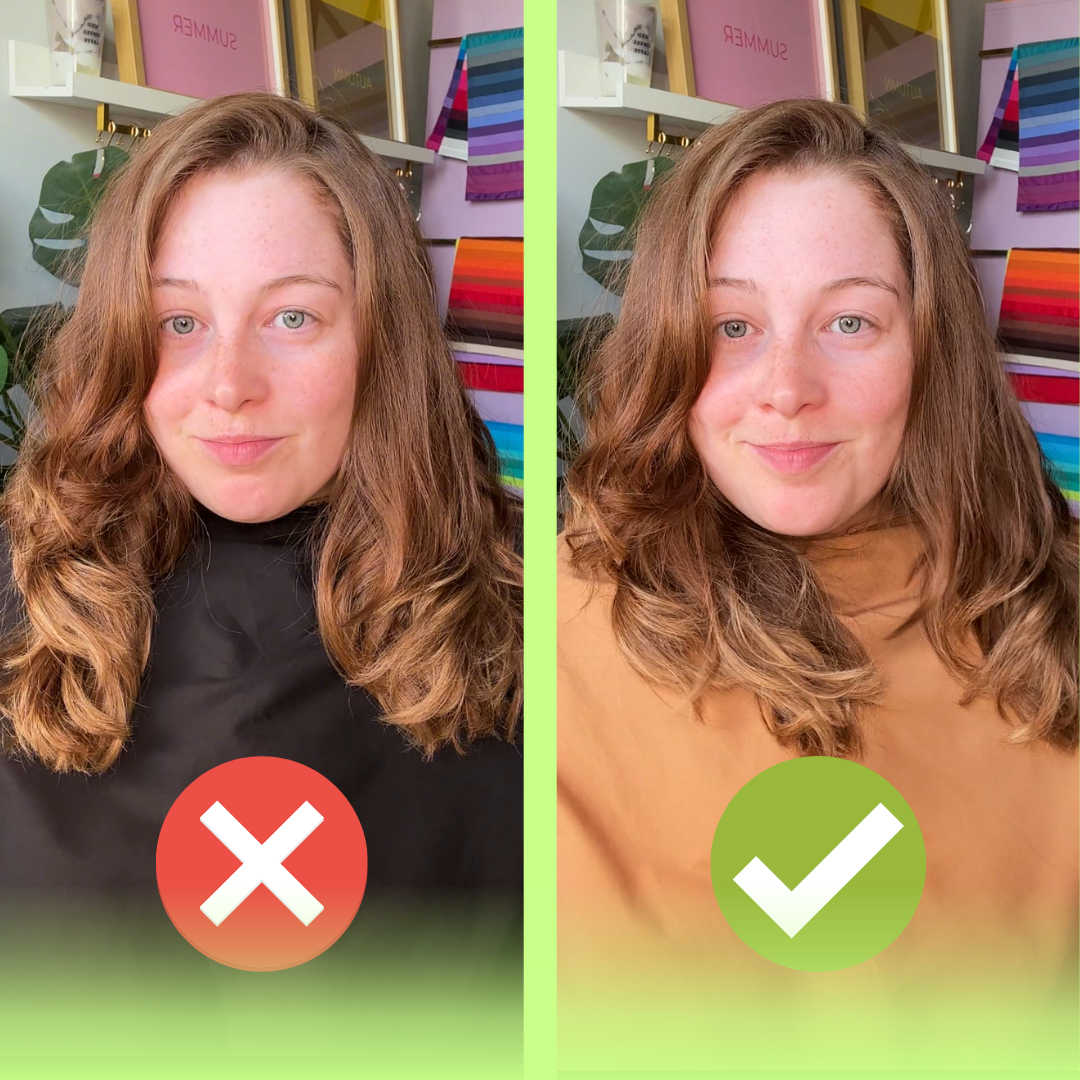
You may notice that:
your complexion looks more even, fresh and radiant
your eyes appear brighter and your natural eye colour stands out more
your features look more defined without anything actually changing
you feel like you need less makeup to look and feel like yourself
certain makeup shades suddenly feel much more natural on you
colours feel less overwhelming, and you start noticing you before the colour
getting dressed can feel easier because you have a better idea of which colours feel right for you
you feel more confident wearing colours you might not have considered before
you start looking at your existing wardrobe and makeup in a completely different way
you may even discover that some of the colours you've always been drawn to aren't necessarily the ones that complement you most — and vice versa
Everyone experiences colour analysis differently. For some people, the biggest difference might be their complexion or eyes. For others, it might be feeling more comfortable wearing less makeup, becoming more confident with colour, or simply having a clearer understanding of what makes them feel like themselves.
And sometimes, the difference is surprisingly subtle. It's not necessarily about one colour making you look dramatically different. It's about noticing which colours allow you to be the first thing you see — rather than the colour itself.
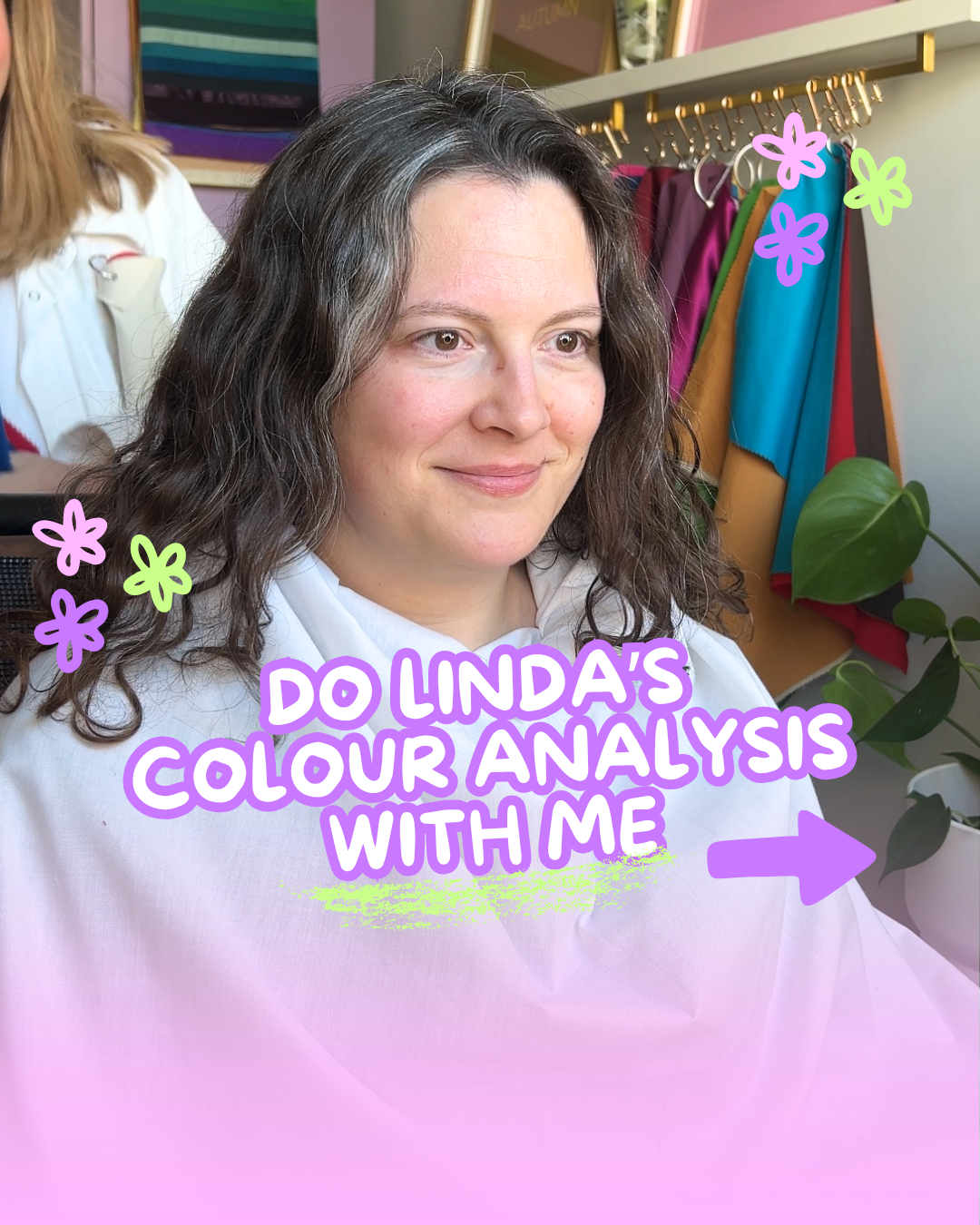
let’s discover linda’s colour season together
-
![A woman with dark wavy hair smiling indoors with colorful fabrics and a green plant behind her. Text on the image says, 'Do Linda's colour analysis with me' with purple and green flower illustrations and a purple arrow.]()
-
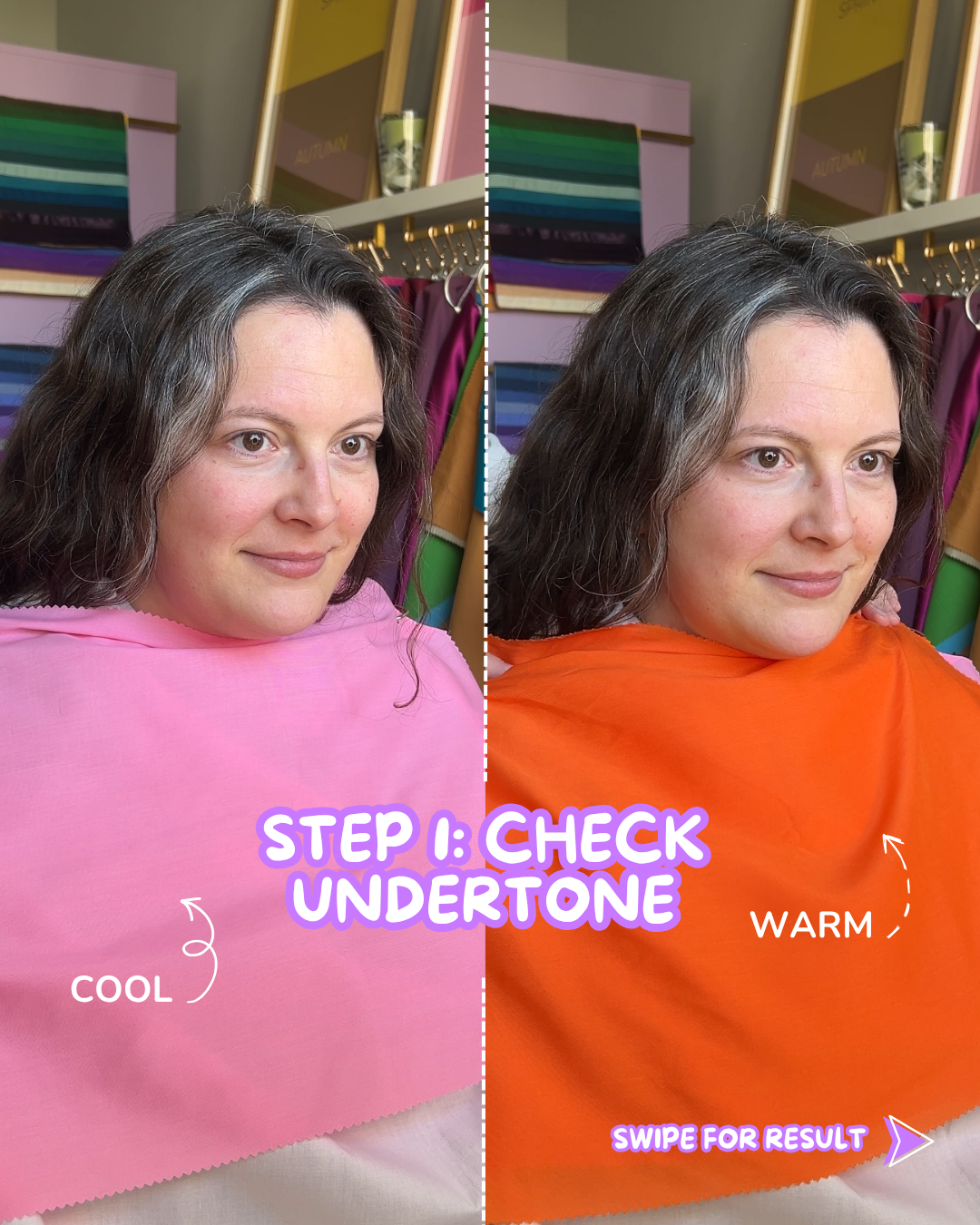
![Side-by-side images of a woman with curly hair, showing how her skin tone appears cool on the left with a pink cape and warm on the right with an orange cape, illustrating undertone check. The background includes rainbow-colored fabric samples and shelves. Text overlay says 'Step 1: Check Undertone' with arrows pointing to labels 'Cool' and 'Warm' and a prompt to swipe for result.]()
Is she warm or cool?
Find out in the next slide.
-
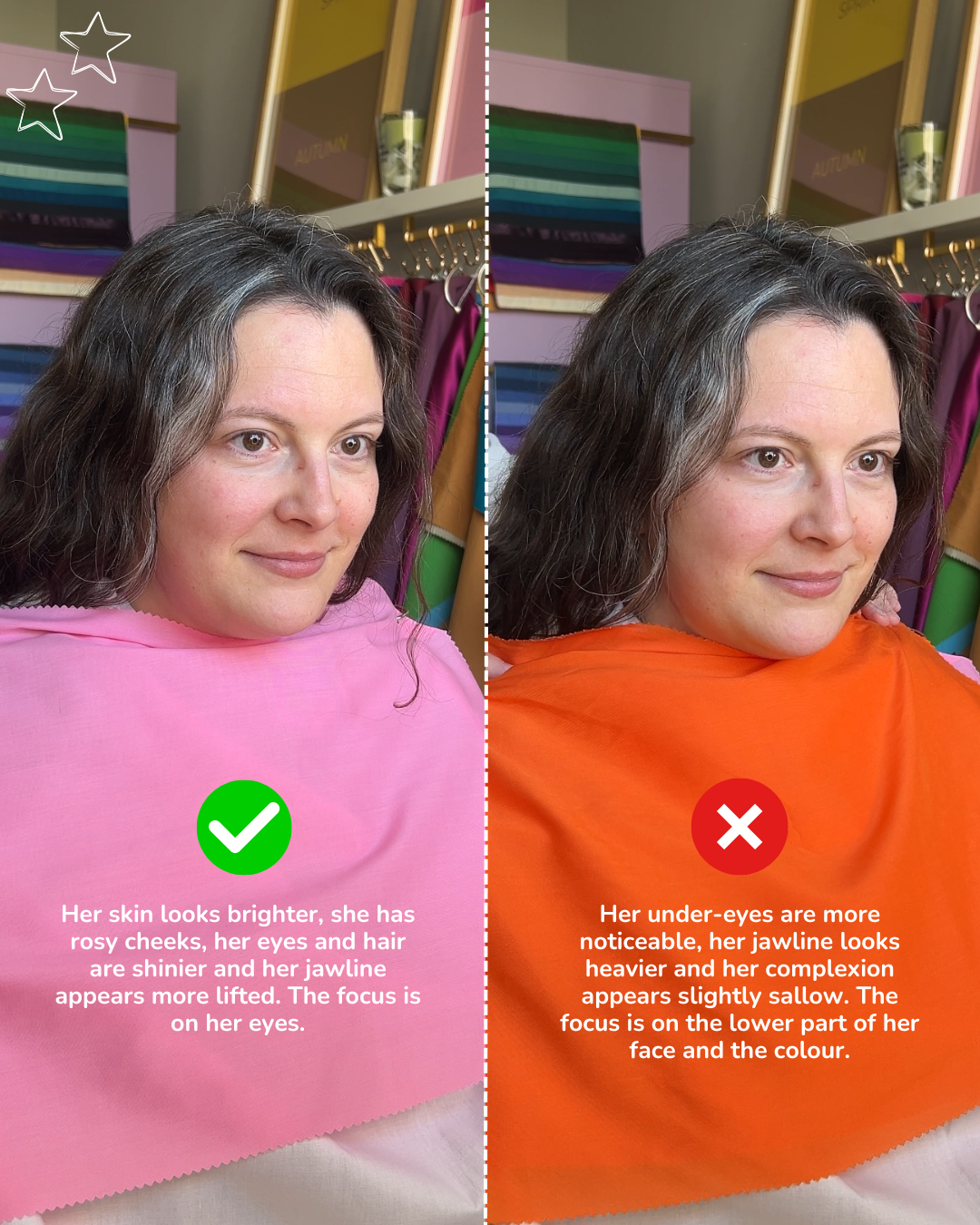
![Comparison of two images of a woman with different makeup and hair, with instructional overlay on each side. Left side shows her with brighter skin, rosy cheeks, shiny hair, and lifted jawline, with a green checkmark. Right side shows her with more noticeable under-eyes, heavier jawline, slightly sallow complexion, with an orange overlay and a red 'X'.]()
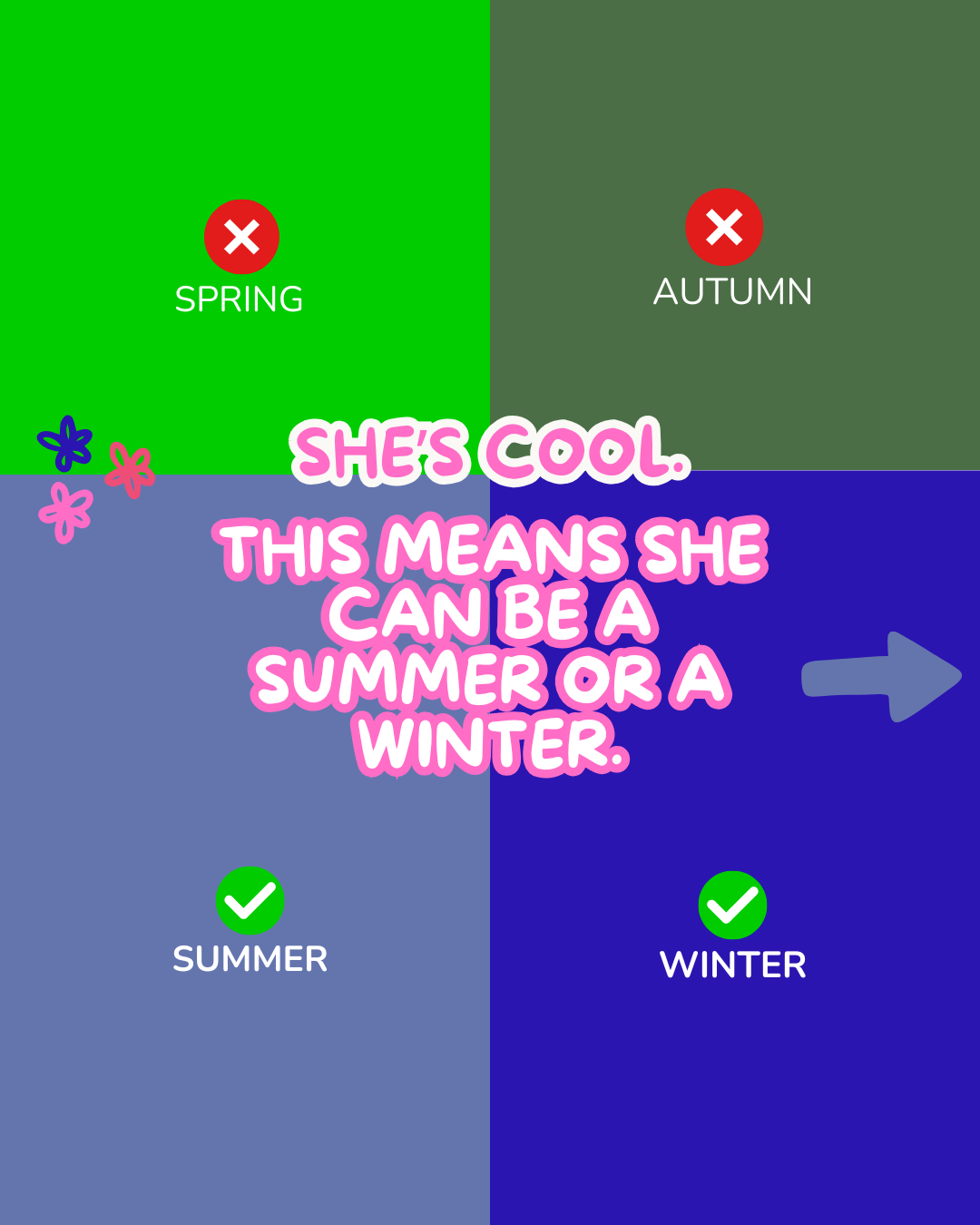
She has a cool undertone.
-
![A colorful digital graphic indicating different seasons where summer is marked as her cool season, suggesting she can be a summer or winter personality, with options for spring and autumn marked with red crosses.]()
-
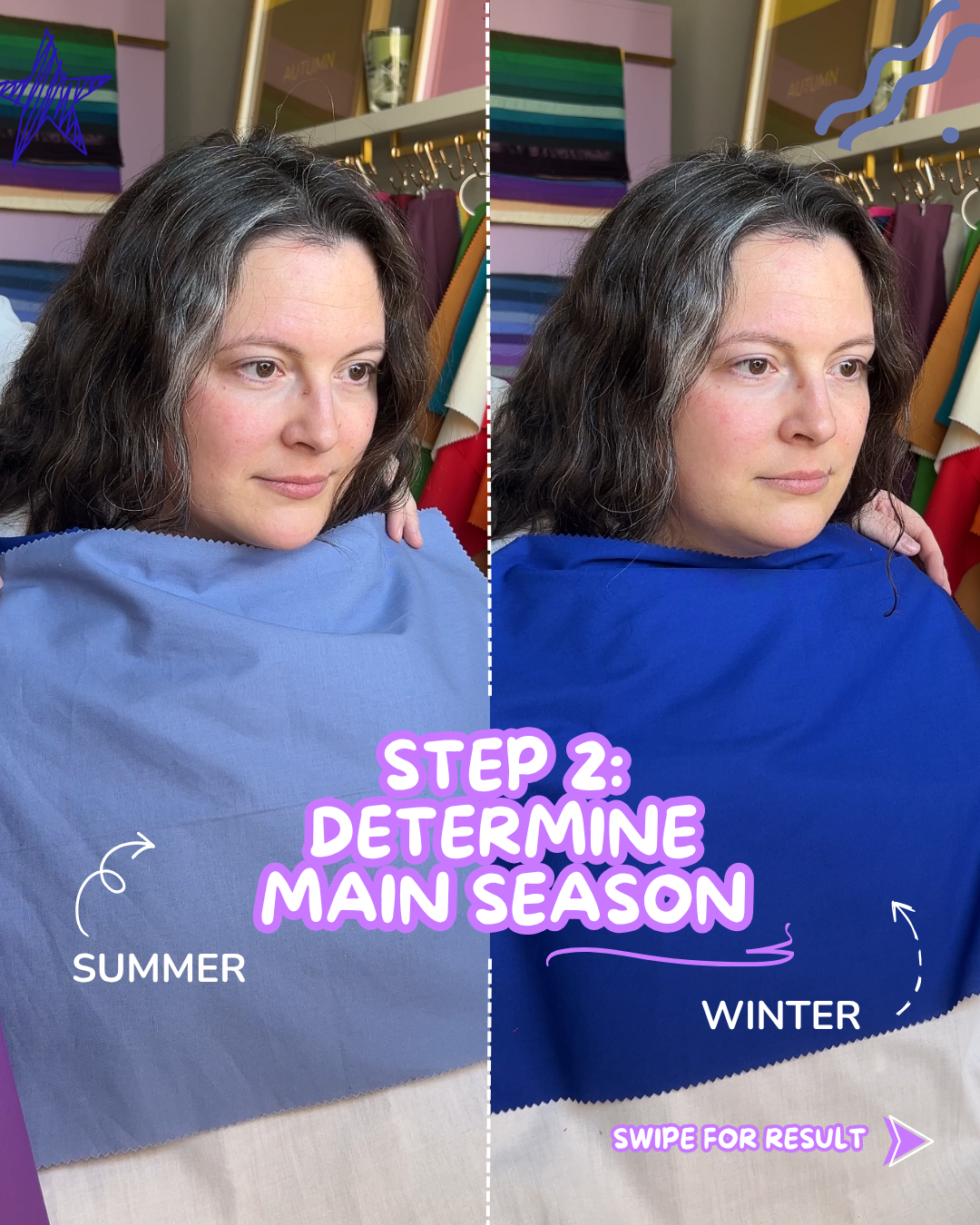
![Comparison of a woman with different hair colors and skin tones in summer and winter settings, demonstrating seasonal changes.]()
Is she a Summer or Winter?
Find out in the next slide.
-
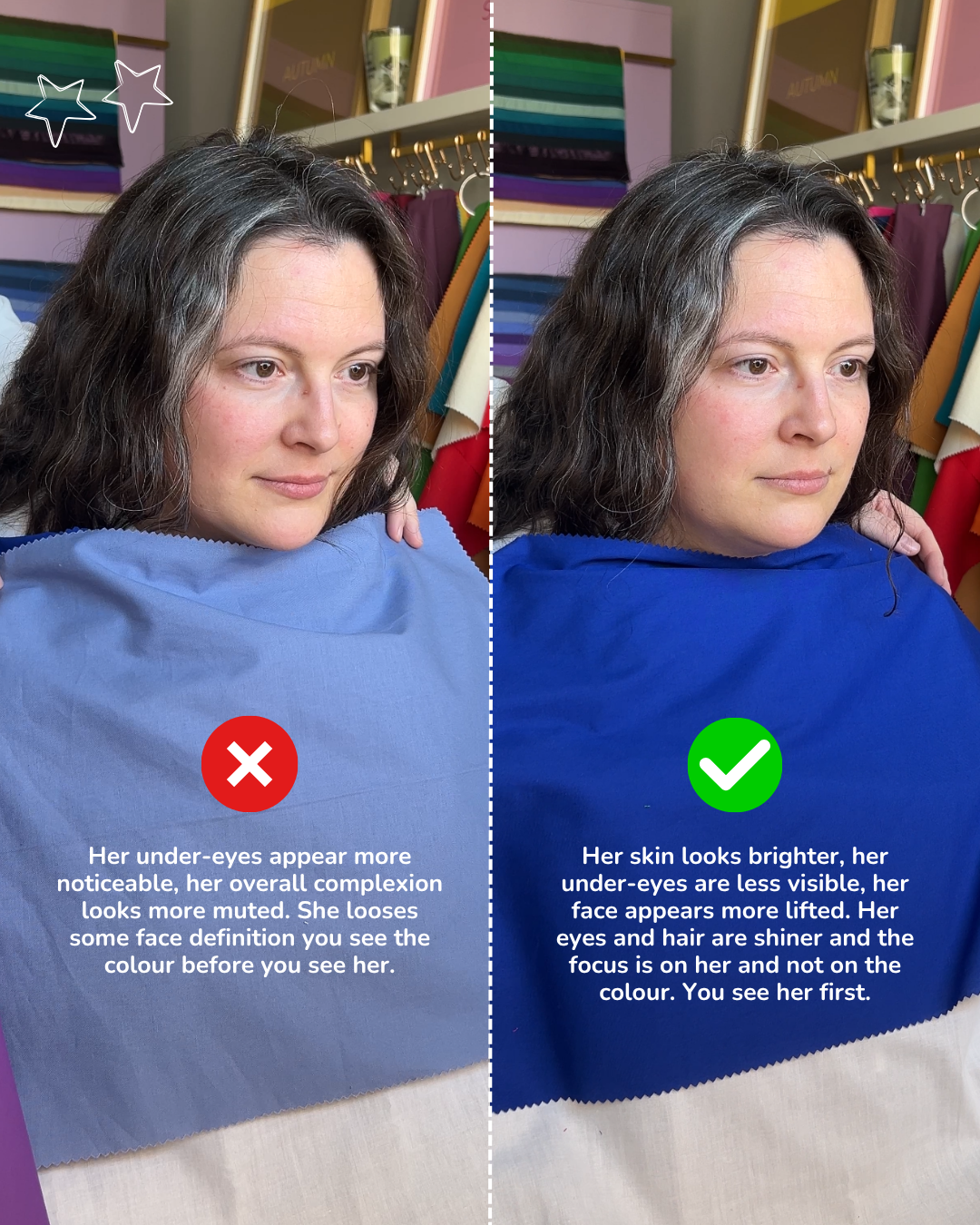
![Side-by-side comparison of a woman's face, demonstrating different lighting or editing effects; the left side shows her under-eye area more noticeable and her complexion muted, while the right side shows her skin brighter with less visible under-eye area, making her face appear more lifted, with shinier eyes and hair.]()
Linda has more harmony with Winter colours.
-
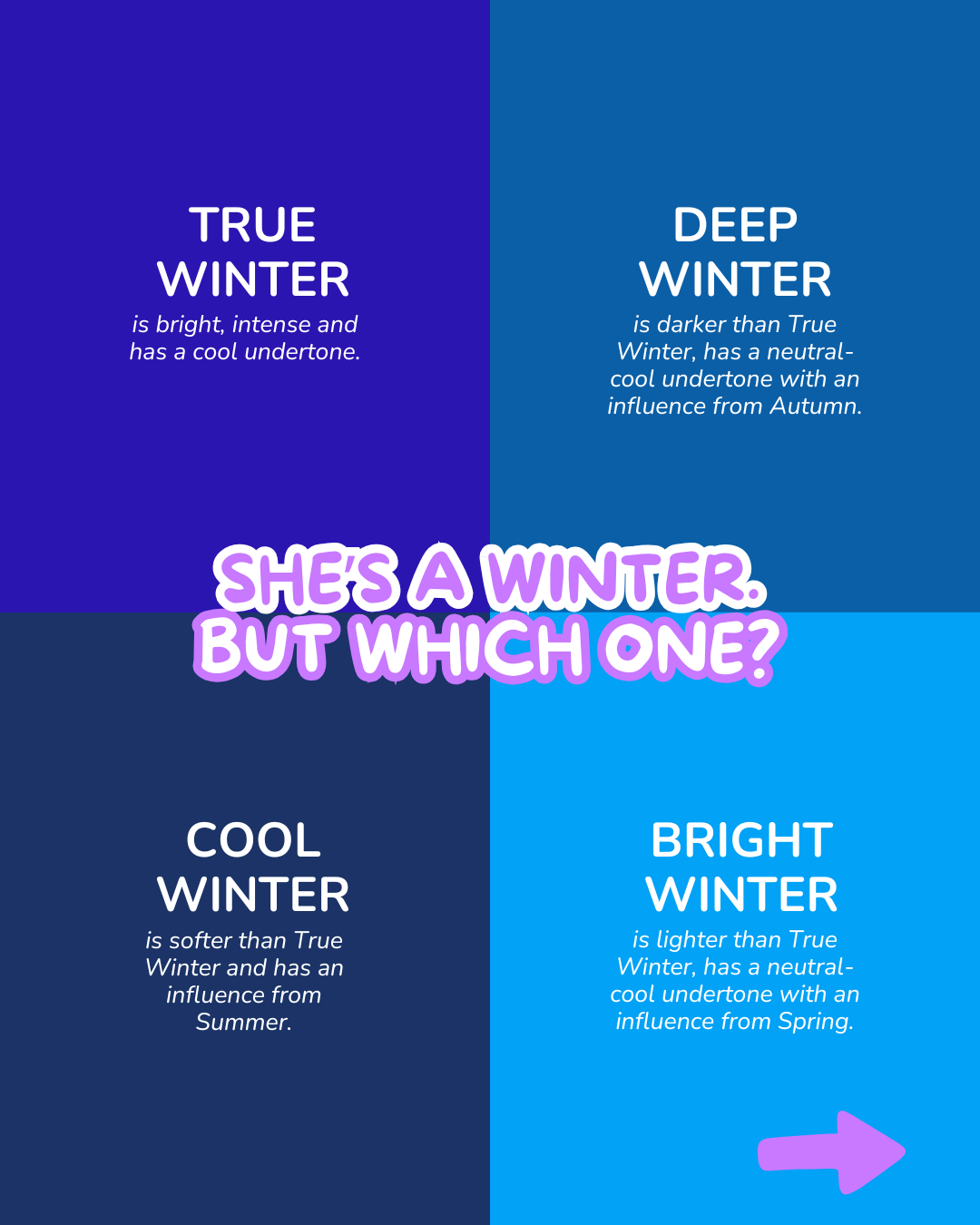
![A colorful infographic comparing four types of winter: True Winter, Deep Winter, Cool Winter, and Bright Winter, with descriptions of each winter type and a purple arrow pointing to the right.]()
-
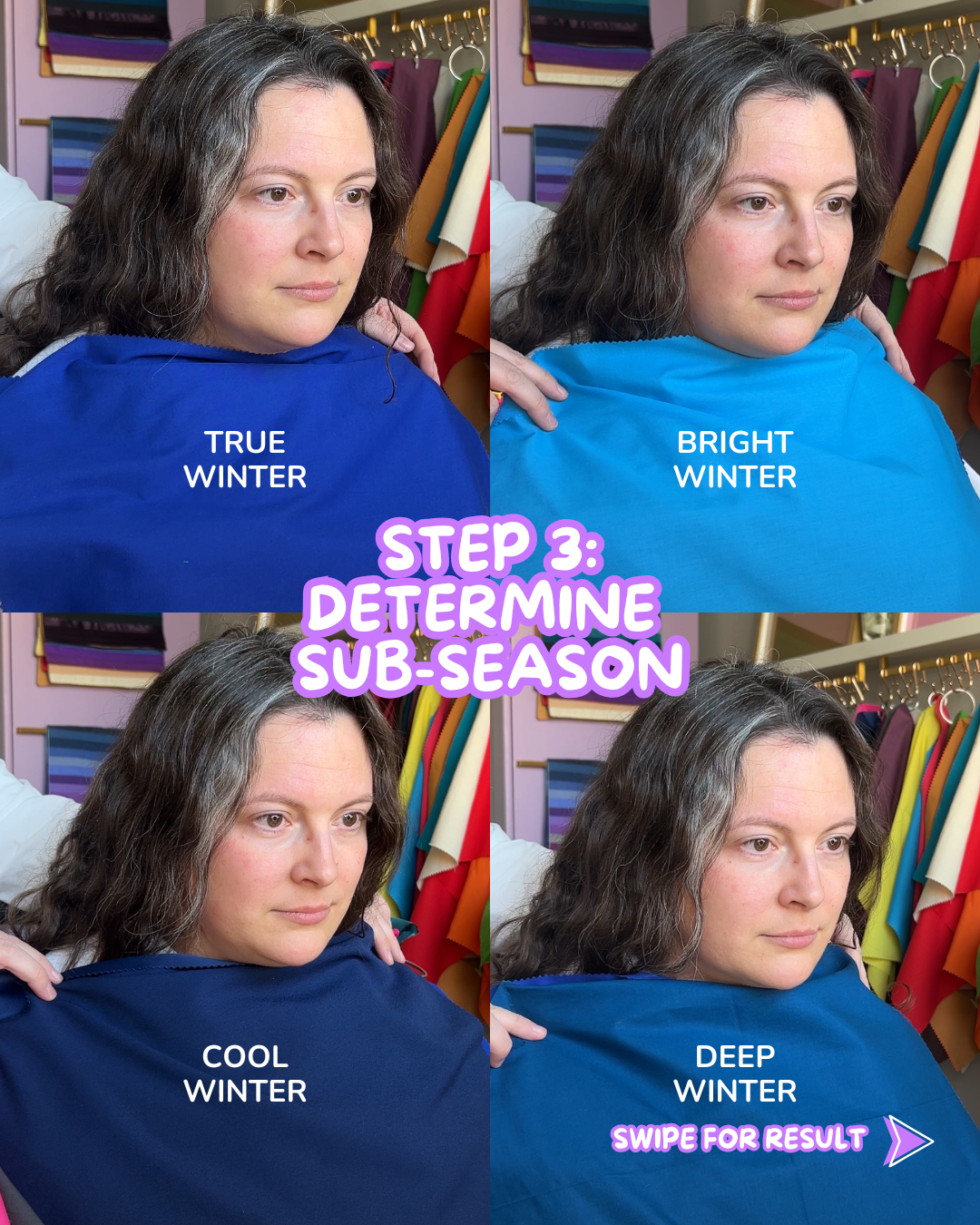
![A woman demonstrates how to determine her winter sub-season using fabric swatches. The top left image shows her with a blue swatch labeled 'True Winter.' The top right shows her with a bright blue swatch labeled 'Bright Winter.' The bottom left shows her with a navy swatch labeled 'Cool Winter.' The bottom right shows her with a deeper blue swatch labeled 'Deep Winter.' The text in the center says, 'Step 3: Determine Sub-Season,' and at the bottom, it says, 'Swipe for result.']()
Which Winter season suits her best?
Find out in the next slide.
Note: Linda looks great in all colours, but there is one season that truly makes her shine.
-
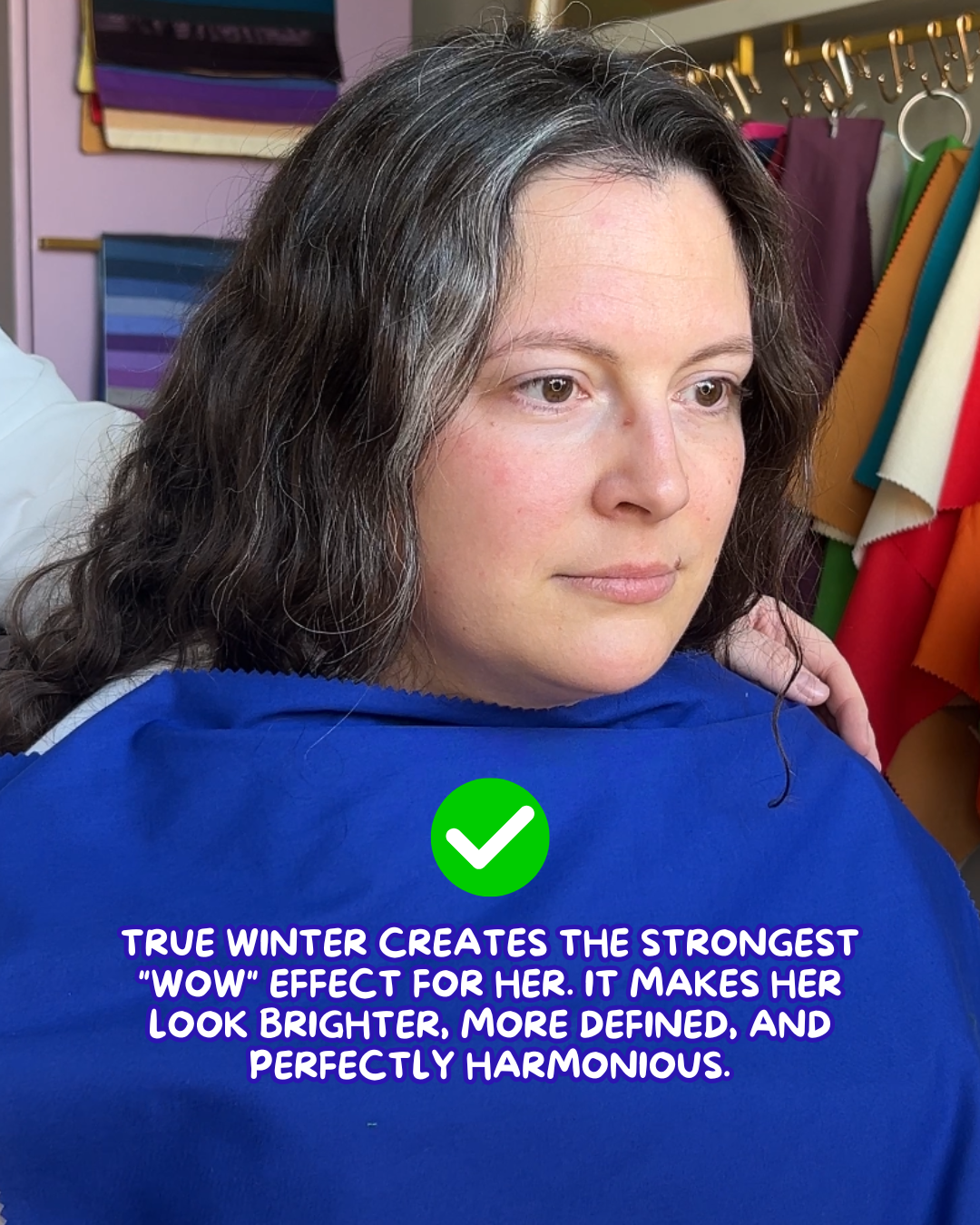
![A woman with dark, wavy hair looking serious in a setting with colorful fabrics and a purple wall in the background. A green check mark overlay indicates approval. The text explains that true winter season creates a strong "Wow" effect by making her look brighter, more defined, and harmoniously beautiful.]()
Linda is a True Winter.
-
![A woman with curly brown hair, glasses, and a black shirt, holding a rainbow-colored striped fabric with a green check mark and purple text that says 'True Winter'. She is in a room with colorful fabrics or ribbons hanging on hooks behind her.]()
Let's do your colour analysis next :)
Book your session now.
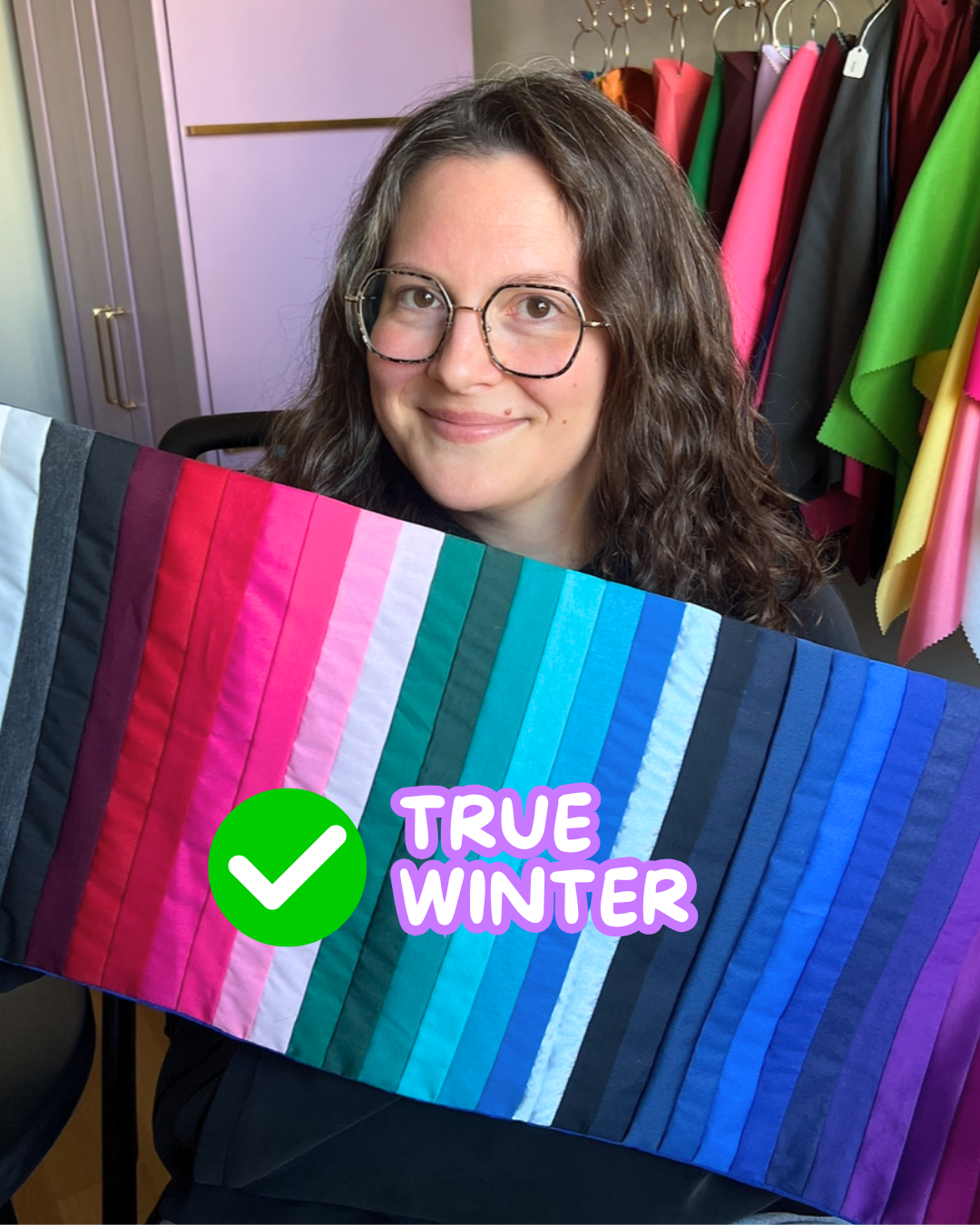
Colour analysis isn't about creating strict rules around what you can and cannot wear.
It's about understanding your natural colouring, becoming more aware of what works for you, and having the freedom to make choices that feel more like you.
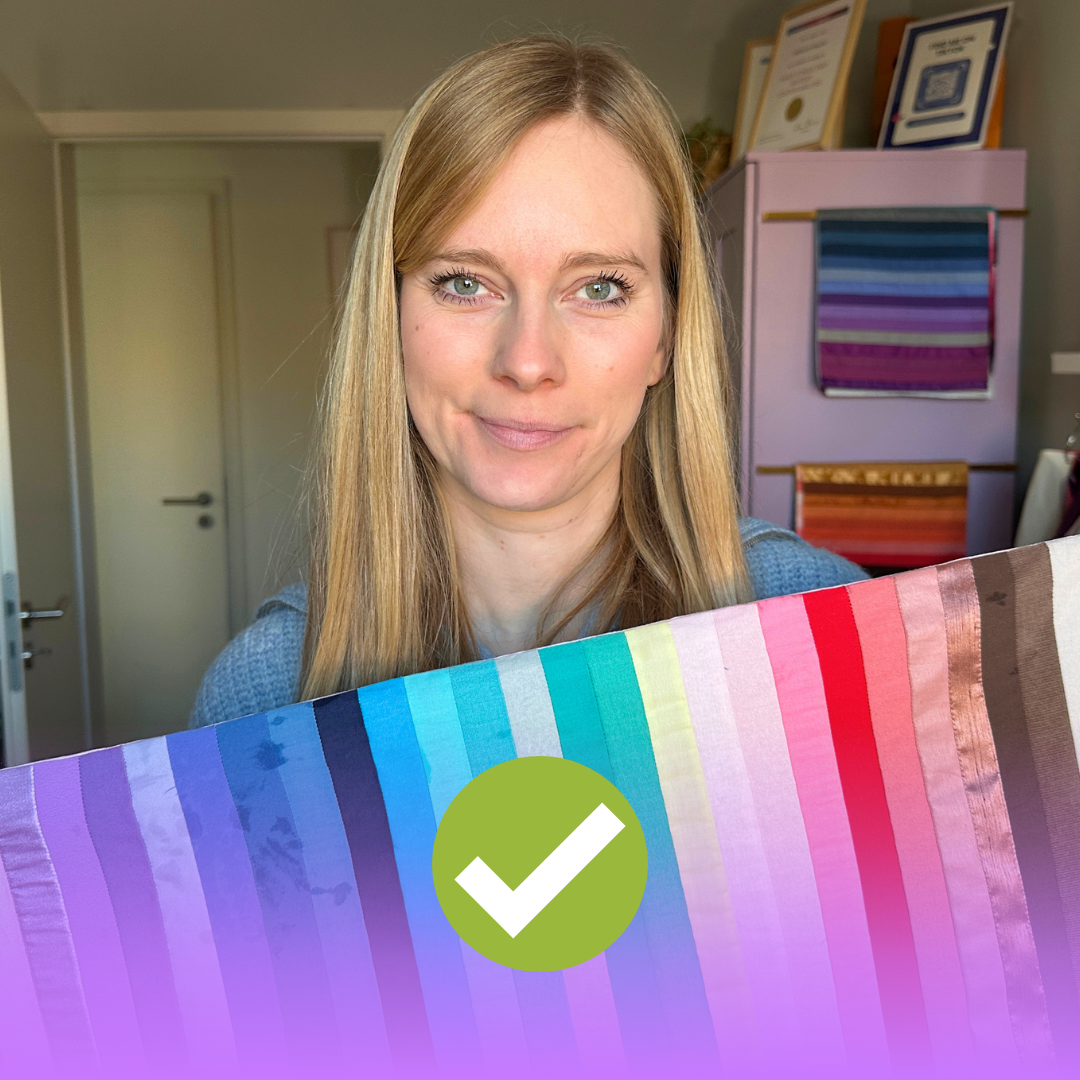
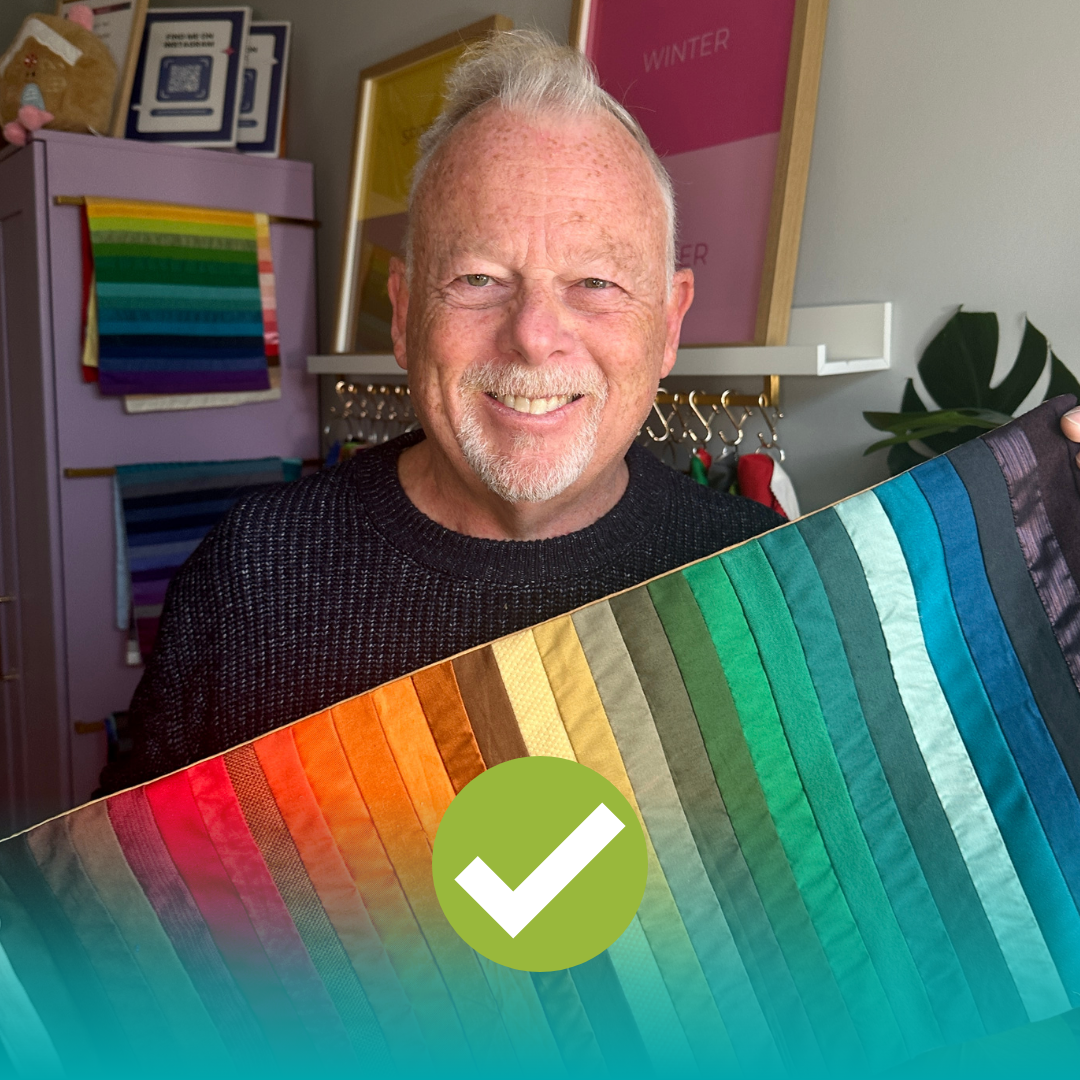
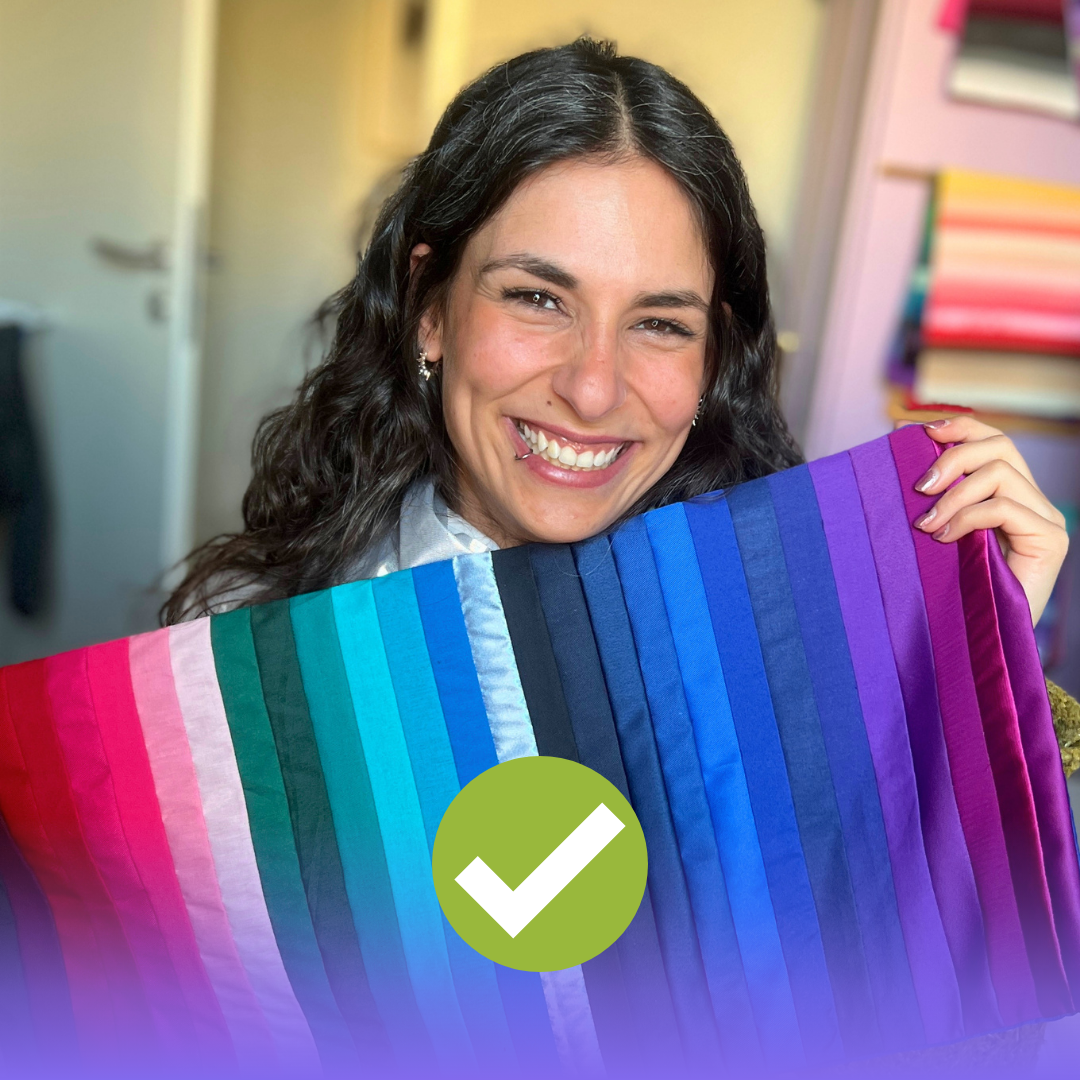
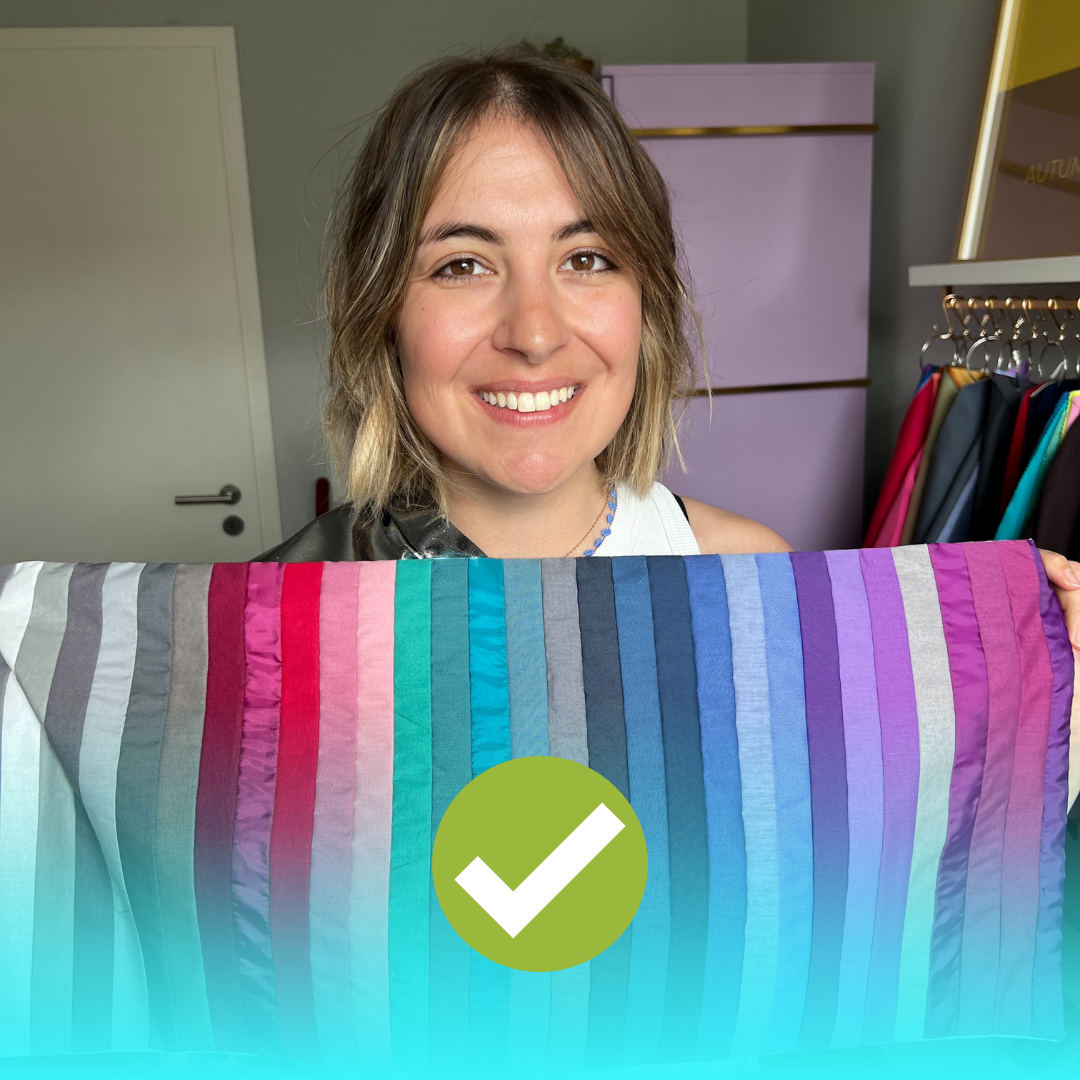
different people, different palettes - scroll through their best colours
-
![A woman with long blonde hair holding a colorful fabric swatch with a green checkmark overlay. The background shows picture frames and a purple cabinet.]()
Jess is a Light Summer.
-
![A smiling man holding a fabric sample with rainbow colors, indoors with colorful decor and rainbow-themed items in the background.]()
Marc is a True Autumn.
-
![A woman with dark curly hair smiling and holding a rainbow-colored fabric sample. She appears happy and is indoors with a blurred background, including a doorway and colorful items.]()
Ste is a True Winter.
-
![A woman smiling and holding a colorful fabric swatch with a green check mark on it. She has shoulder-length hair and is wearing a white top with a beaded necklace. The background shows some clothing or fabric items and a purple cabinet.]()
Sarah is a True Summer.
-
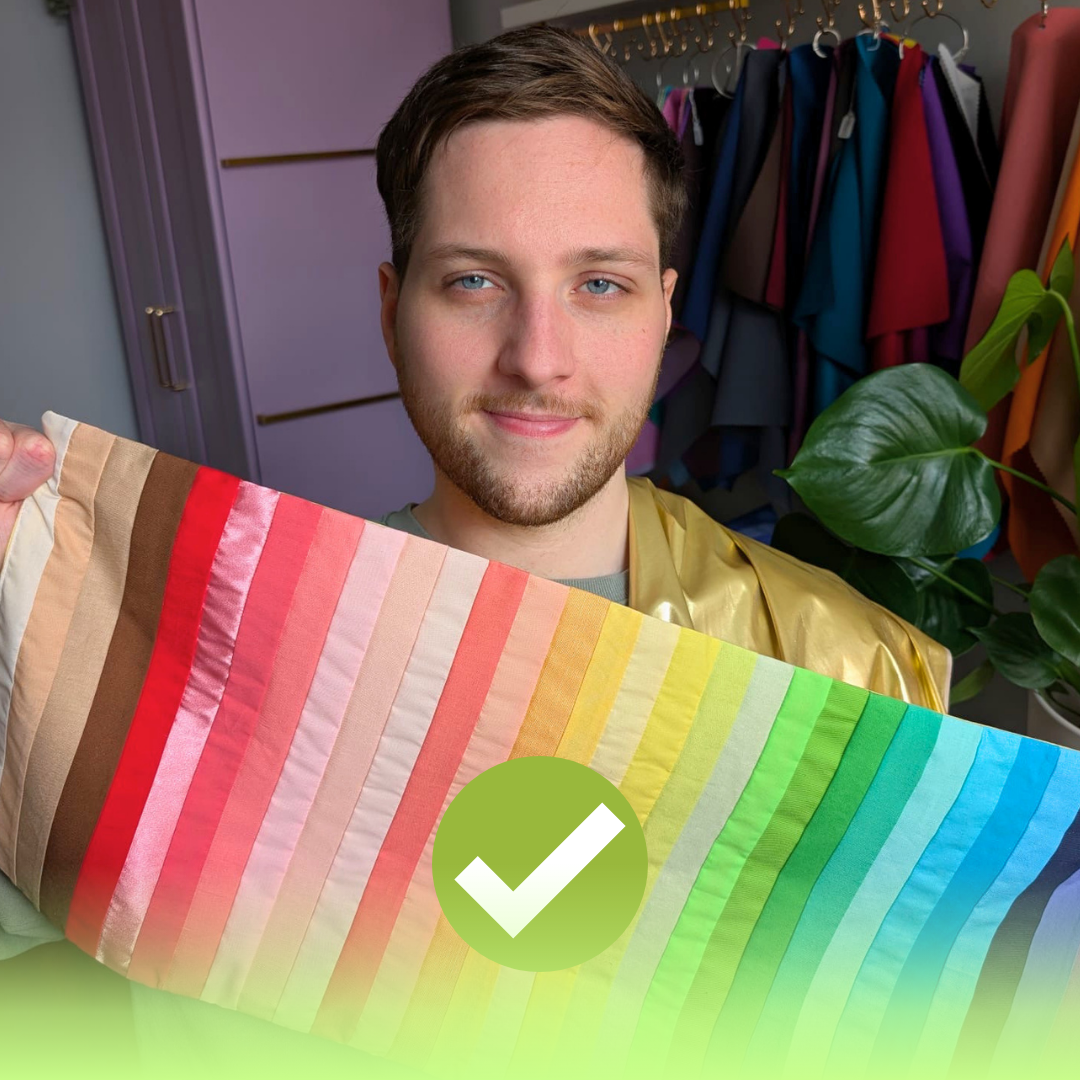
![A young man with short brown hair and blue eyes smiling, holding a color palette with rainbow stripes in front of a clothing store or studio. Background includes hanging colorful fabrics and a purple door, with a large green plant nearby.]()
David is a True Spring.
-
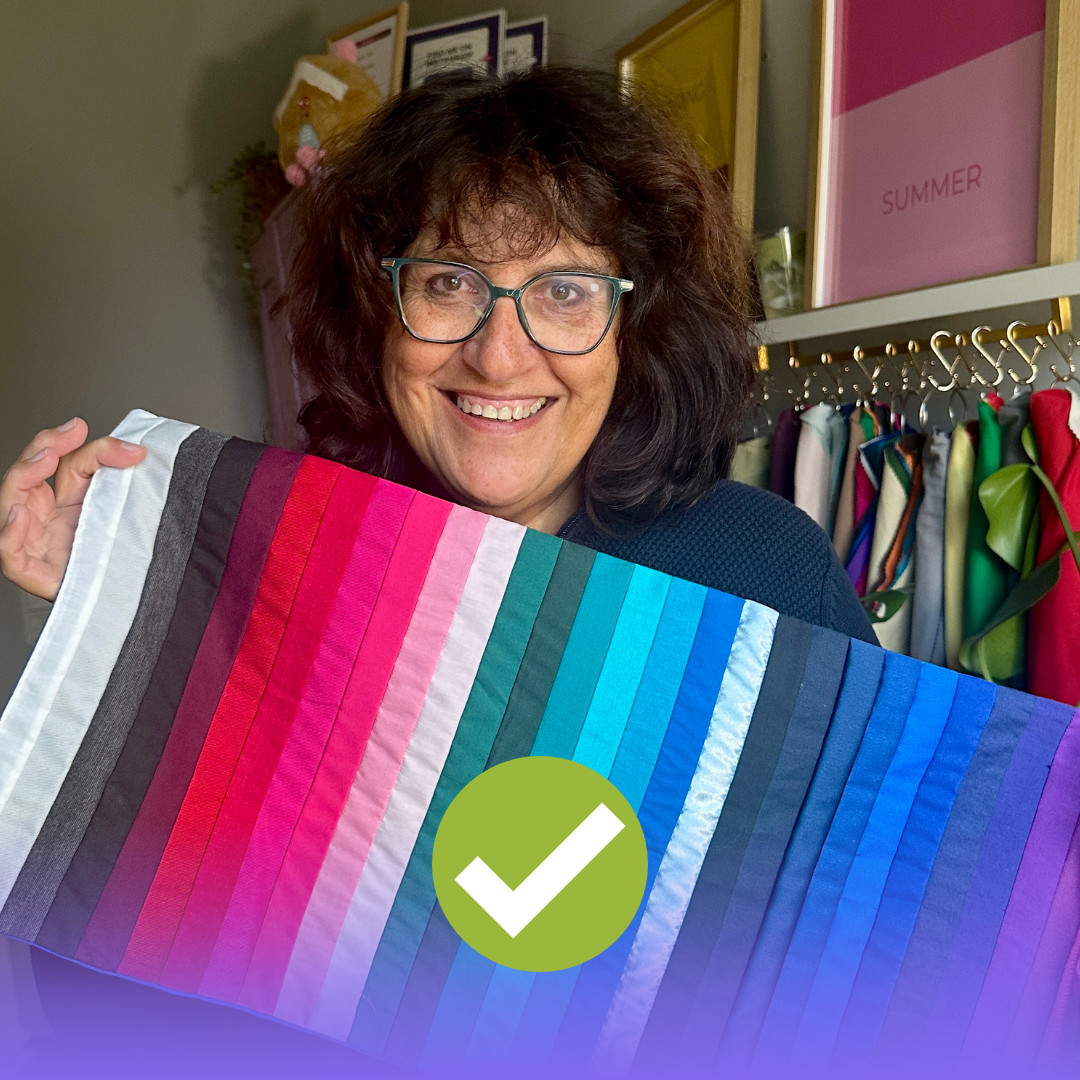
![A woman with glasses holding a colorful piece of fabric with rainbow stripes, smiling at the camera. Behind her, there are framed pictures and a shelf with fabric rolls. There is a large green checkmark overlay on the fabric.]()
Corinne is a True Winter.
-
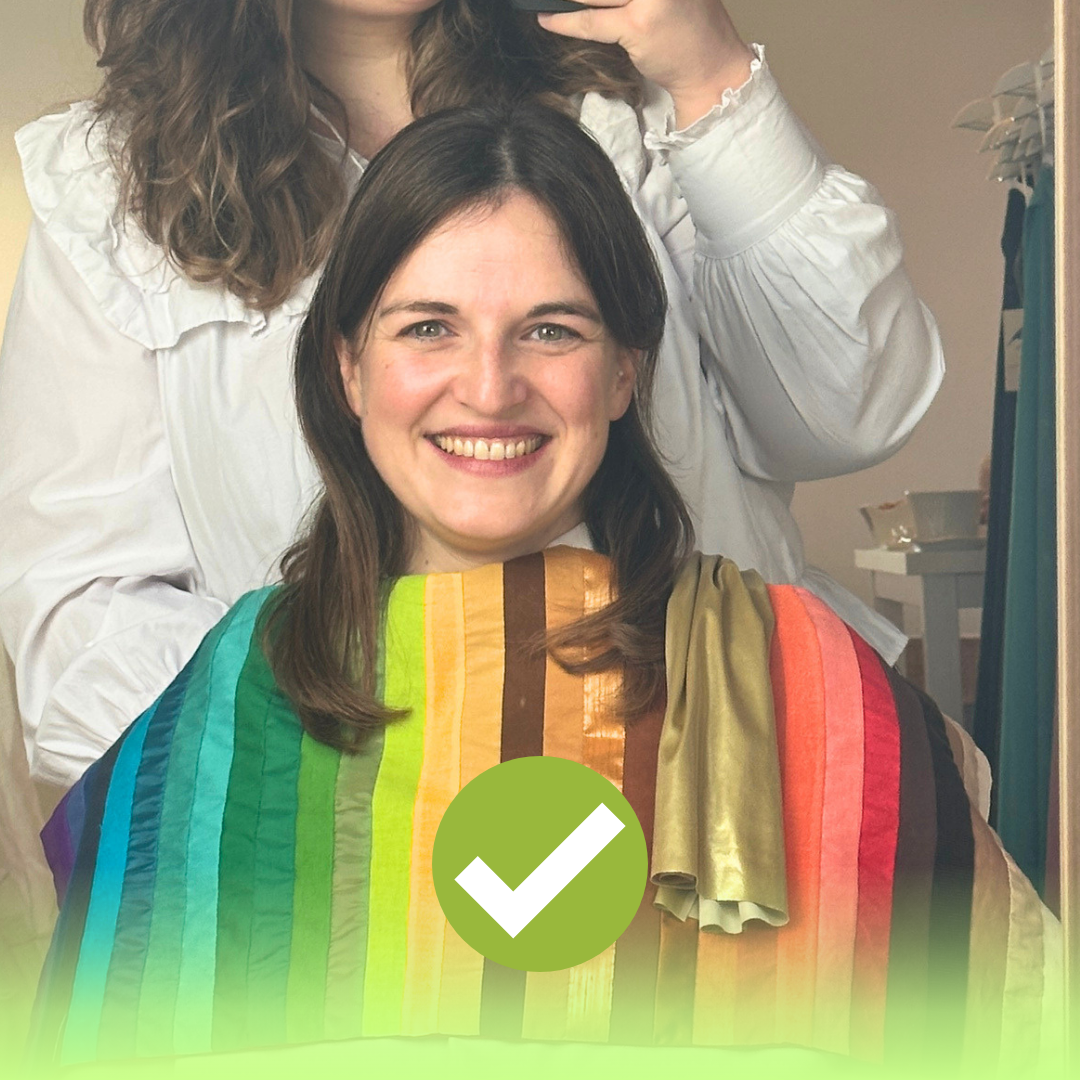
![A woman smiling at the camera with a rainbow-colored fabric around her shoulders, inside a room with a person in a white shirt standing behind her, partially visible.]()
Claudine is a Warm Spring.
-
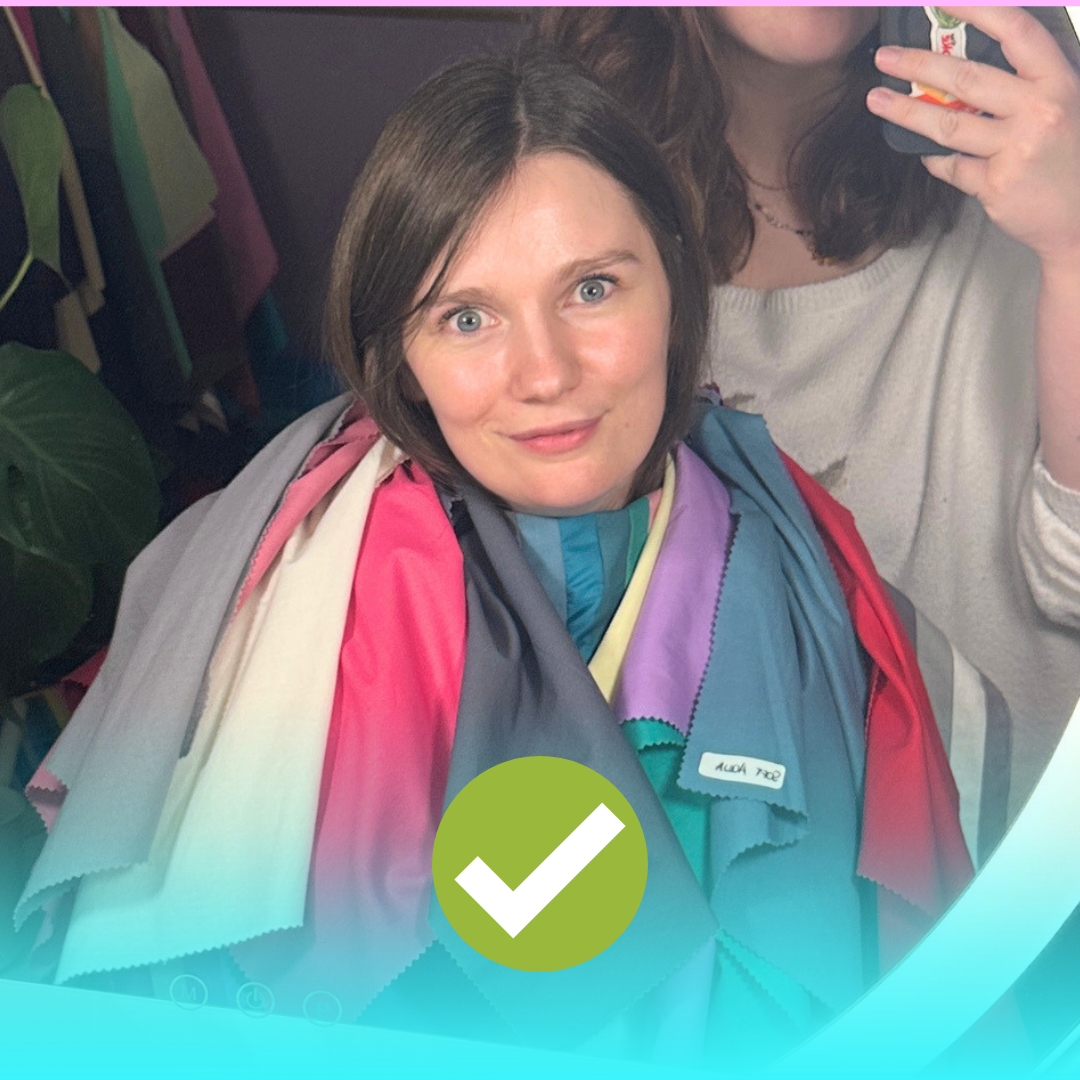
![Woman with short brown hair and blue eyes looking at the camera, sitting in front of a mirror, with colorful fabric swatches draped over her shoulders. She is smiling slightly and wearing a light-colored top. A large green check mark icon is overlayed on the image.]()
Sabine is a True Summer.
-
![A woman smiling and holding up a rainbow-colored fabric swatch with different shades arranged in stripes.]()
I (Mella) am a True Spring.